
Scorching summer days are just around the corner, but there are many clever ways to maximise your comfort
Words Carrol Baker
Passive design
You might have heard the term “passive cooling” bantered about. David Noordhoff from Freeman Group Architects says it’s basically a collection of design strategies to keep a building comfortable in warm weather without relying on mechanical systems such as air-conditioning.
“It uses elements such as orientation, cross-ventilation, shading, thermal mass and insulation to naturally regulate temperature,” he explains. “The idea is to work with the climate rather than fight against it, allowing heat to escape, encouraging airflow, and preventing excess heat from entering in the first place.”
With effective passive cooling design strategies in place, you and your family will benefit. Taras Wolf from Wolf Architects adds that designing with passive cooling has many other advantages. “It reduces energy consumption, lowers running costs, and aligns with our sustainable design ethos,” he says.
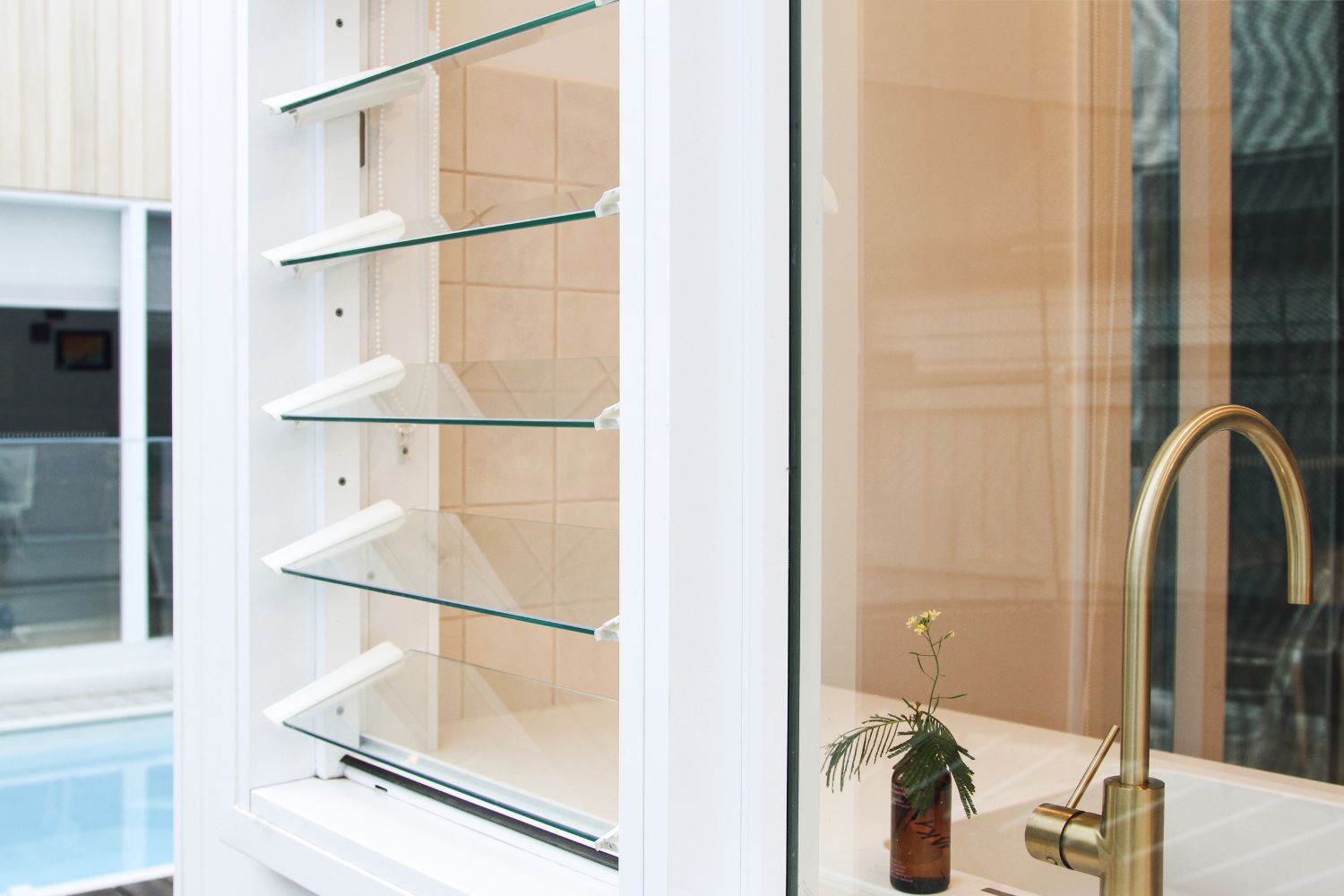
For many architects, sustainable building practices are at the very heart of what they do. One of David’s projects, Atria House in Torquay, has a central courtyard with a pool that acts as a natural cooling element. “The pool cools the surrounding air, which is then drawn through the home via louvred windows and operable sliding doors,” he explains. “These openings are positioned to harness prevailing breezes, allowing the cooled air to move freely through the living spaces and reduce reliance on mechanical cooling.”
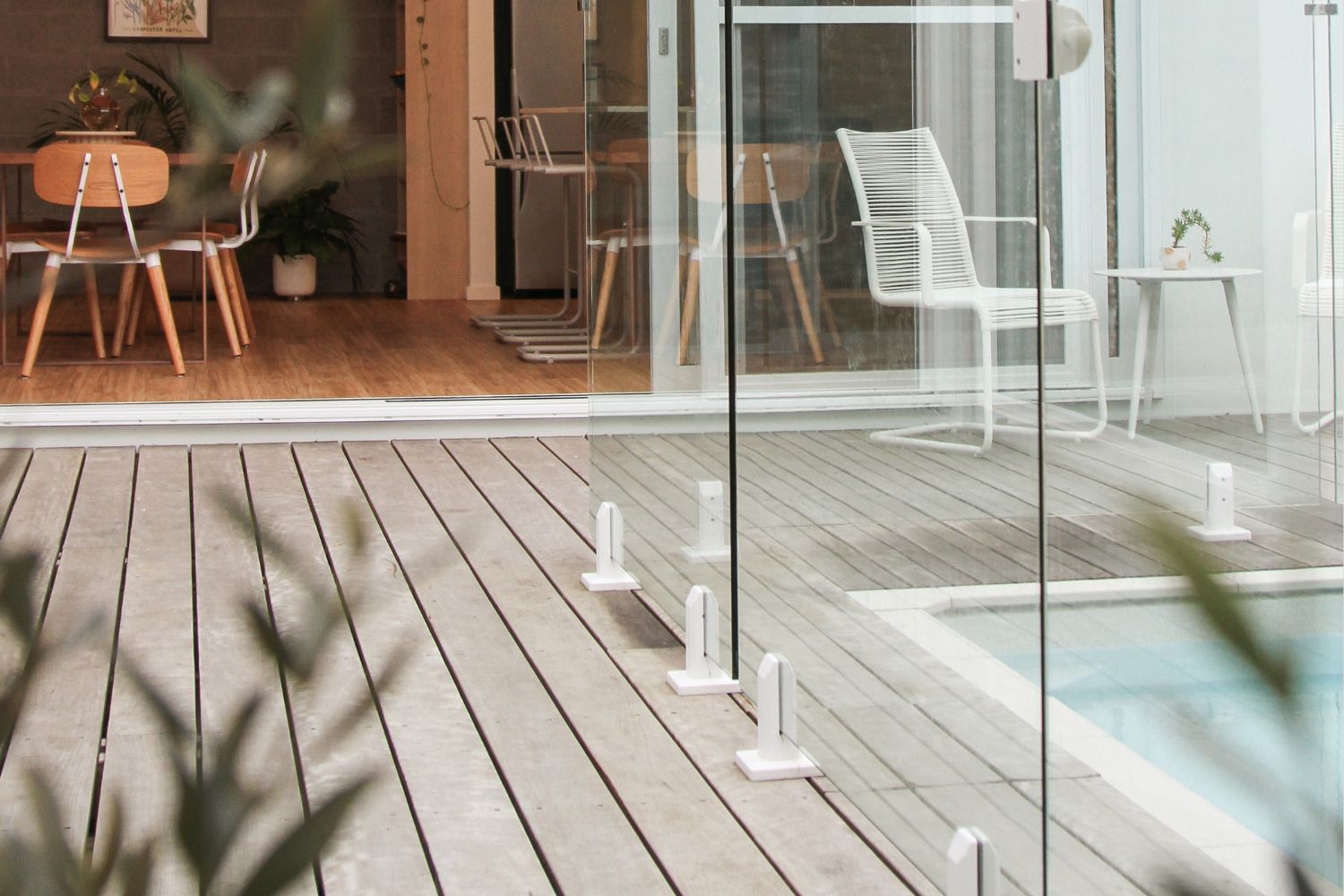
There’s a host of other reasons why a home designed with passive cooling is a great idea. For starters, says David, they have better air quality and fewer fluctuations in temperature. “These homes can also perform during power outages or extreme weather — they remain cooler and more liveable even without electricity, offering a type of built-in resilience.”
In the wind
One way to really beat the heat is to maximise cross ventilation. This concept occurs naturally when wind enters an opening, flows through the space, then exits through an opening on the other side.
Taras says one of his favourite passive cooling strategies involves cross-ventilation. “For example, in one of our homes built along the coast, we positioned operable windows and vents on opposite sides of the main living areas, allowing cool breezes to flow straight through the house, flushing out hot air. We also incorporated overhangs and vertical fins to shade those windows in summer while still allowing winter sun to penetrate.”
Perfect placement
When building, ideally you don’t just plonk your new home anywhere on the block. The direction the home faces is important. In fact, according to Taras, it’s fundamental to clever design. “Getting orientation right at the start is one of the most powerful tools in passive design,” he says.
In a nutshell, explains Taras, a well-oriented, north-facing home makes the most of natural light in winter and limits heat gain in summer. “At Wolf Architects, we take great care in siting our homes to ensure that living spaces benefit from northern light while minimising exposure to harsh western sun,” he says. “This not only aids passive cooling, but also improves overall comfort and liveability.”
Look up
Your roofing materials will also play an active role in comfort. Taras suggests Colorbond steel with high solar reflectance (a lighter colour) is a clever option. “It’s durable, low maintenance, and helps reflect rather than absorb heat,” he says. “We also explore green roofs and insulated metal panels in some of our projects, particularly where sustainability is a key focus.”
The design of your roof will also play a role. David says ventilated roof spaces, or skillion roof forms with high-level openings, can allow stifling air to escape. “Shading is equally important,” he says. “In our Pyrenees residential project we used deep eaves to shade windows and external walls, significantly reducing solar heat gain in summer and helping the home stay cooler naturally.”
Cool like concrete
Thermal mass can improve the performance of your home. High-density materials including brick, rammed earth and concrete have good thermal mass. These materials need a lot of heat to rise in temperature; they also lose stored heat slowly.
David explains that this slow release can even out temperature swings, especially when shaded from direct sunlight. “On the other hand, lightweight, well-insulated materials such astimber framing with external cladding can prevent heat from transferring indoors in hot climates,” he explains. “The key is balancing the two depending on the climate and how each space will be used.”
Feel the breeze
Fans are one way to keep your cool in summer. Clea de la Nougerede from Big Ass Fans says for a ceiling fan to really do its job, placement is everything. “Big Ass Fans recommends hanging your fan so the blades sit about 2.4m to 2.7m above the floor — or higher if your ceilings allow,” she advises. “Ideally, leave at least 30cm of space between the top of the fan and the ceiling so air can move freely above the blades.”
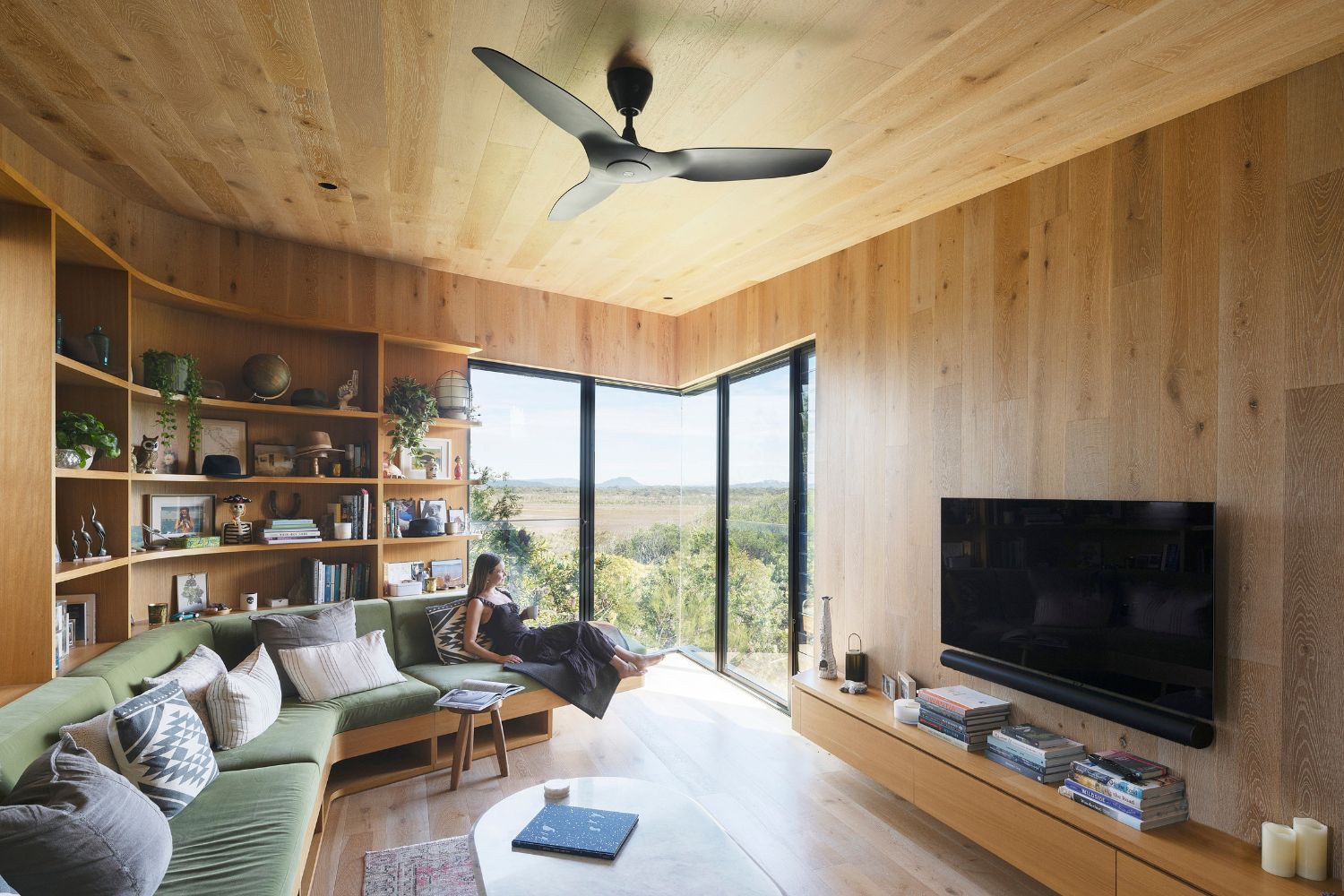
Clea suggests that in living rooms, bedrooms or dining areas, try to centre the fan over the main spot where people spend time — such as above the couch or the bed. “If you have an open-plan space, one large fan (such as an i6 or Haiku) often works well, but really big rooms might be better with two smaller fans to spread the airflow evenly,” she explains.
Smart sensors are making it even easier to keep your cool, save money and precious resources. “Tiny sensors detect motion, temperature and humidity, and automatically adjust the fan’s speed and light for you,” notes Clea. “Leave the room, and the fan turns itself off — and when you come back, it switches back on at the perfect speed.”
Turn up the air
An air-conditioning unit is an effective way to set a comfortable indoor temperature. When selecting a new air-conditioner, Dr John J. Shiel, principal of EnviroSustain, suggests choosing one that contains lower-impact hydrofluorocarbon (HFC) greenhouse gases (which are used for cooling) to help reduce global warming.
It’s also important that the product has a good energy star rating for heating and cooling for your climate zone and that it is not oversized, as a smaller unit is more efficient and costs less to run. He also suggests choosing a unit that does not require ducting, if possible, as it reduces efficiency.
Open it
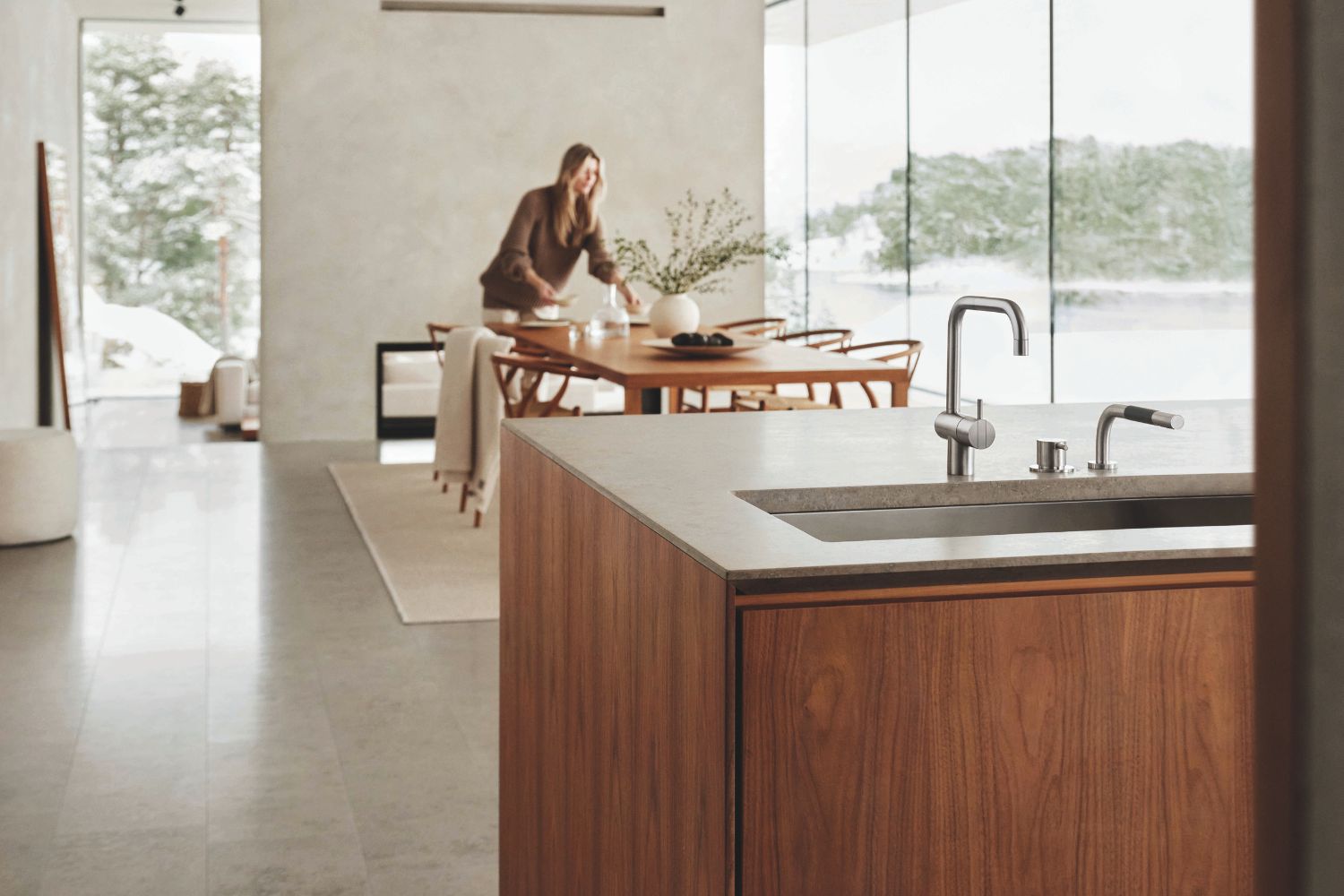
A key element in energy efficiency is window glazing. This incorporates the placement, style and also the glazing component. Use of double or triple glazing and well-sealed frames are perfect to keep out the summer heat. From single to double and even triple, there are many glazing options available that directly impact the amount of heat loss and gain within a home.
Cover it
Blinds and awnings will also influence thermal comfort. Michelle Fitzgerald, marketing manager AU/NZ for Tuiss Blinds Online, says today’s most sustainable window furnishings aren’t just about what they’re made from, but how they actively contribute to energy performance. “Honeycomb blinds are a standout,” she says. “Their unique cellular structure traps air, creating a natural thermal barrier that significantly reduces the need for artificial heating
and cooling.”
Michelle says that layering diverse types of window furnishings is a great concept. “This can mean combining energy-saving honeycombs with thermally lined curtains or Roman blinds, or pairing them with insulating timber shutters,” she says.
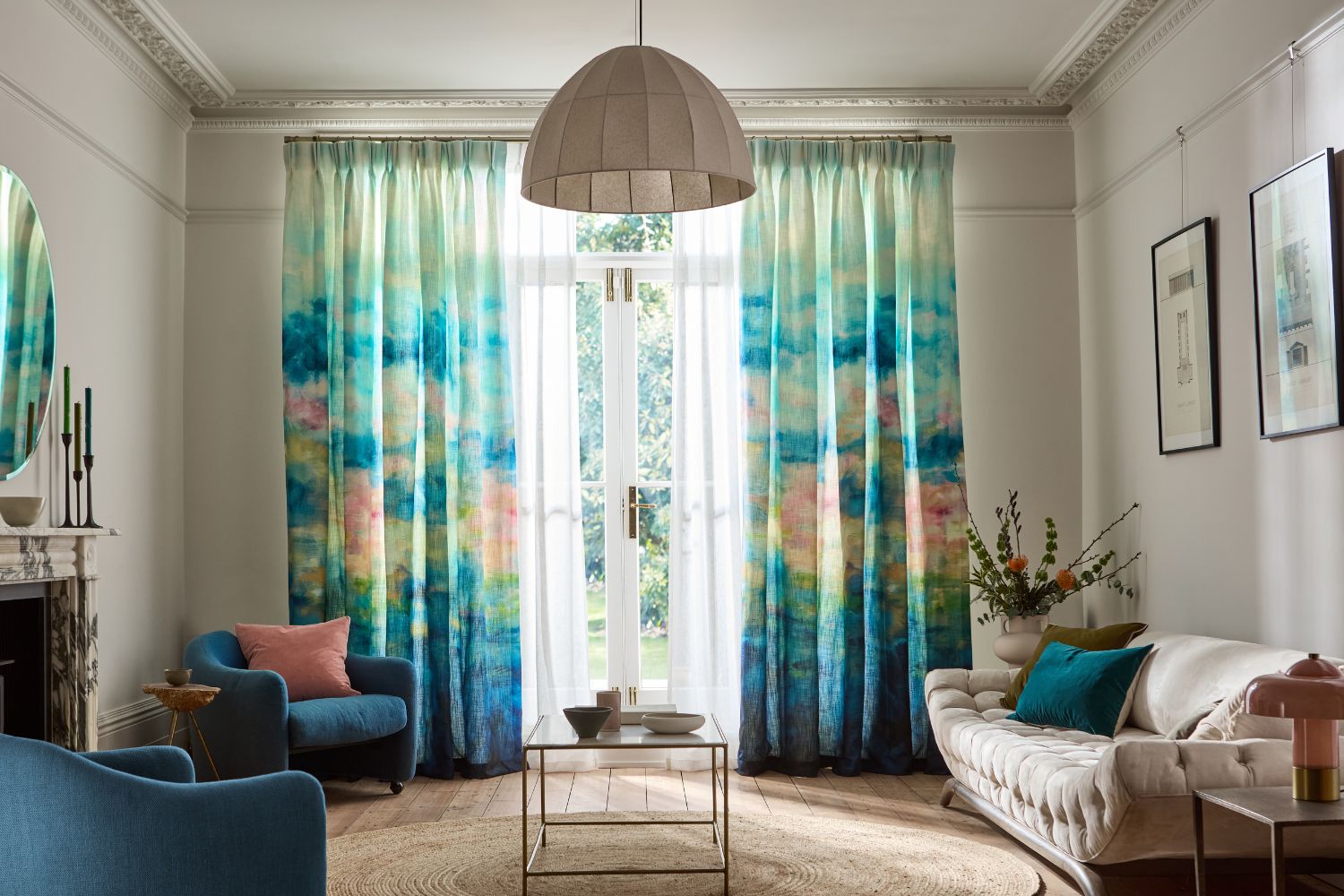
Michelle adds it’s important to target west-facing windows. “Whether it’s a block-out blind, outdoor window blind or a layered combination, it can reduce internal temperatures significantly,” she explains. “Outdoor blinds are particularly effective; they function as the first line of defence, an external shield that keeps the home cool before the sun has a chance to heat up internal surfaces and spaces.”
Hot stuff
Changing design strategies, coupled with modern technology, means many new homes are becoming more adept at handling sweltering summer temperatures. But what about existing homes? The performance of a new air-conditioner is compromised if it’s positioned in a poorly insulated home. Gaps around windows and doors will impact thermal comfort.
Many existing homes are underprepared, under-insulated, and lack the energy efficiency to create a comfortable and healthy interior environment. The reality is that poorly designed and insulated homes can have an impact not only on comfort levels, but also on health.
Dr John J Shiel’s report, Cooling Your Home, published by Beyond Zero Emissions, notes that the average Australian house is rated at only 2 stars out of 10 in the scale of the Nationwide House Energy Ratings Scheme (NatHERS) home.
It’s not good enough. Globally, temperatures are rising and greenhouse gas emissions are acknowledged to be a big contributor. In Australia, notes Dr Shiel, temperatures increased by around 1.4°C between 1910 and 2020. The number of “extreme heat days” over 35°C has risen 500 per cent in only the past 30 years, he reports.
To cool your home, Dr Shiels recommends some of the following: creating an efficient one-room Cool Retreat retrofitted with efficient cooling strategies; updating appliances such as fans, air-conditioners and evaporative coolers; and using them more strategically. He also suggests considering a heatwave emergency plan.
This article first appeared in Grand Designs Australia 14.3