
Where we reside has an indelible impact on the human psyche, and it’s more important than you might think
Words Carrol Baker
The profound influence of our homes is created by design elements such as natural light, acoustics, textures and materials. The way that spaces are designed also has a part to play. All of these things feed into human emotions and experiences — they influence how we feel.
Over the past few decades, architecture has undergone a subtle change, which is slowly gathering momentum. Ton Vu, director of Atlas Architects, says this new defining culture is all about human-centred design. “Architecture has experienced a fascinating shift, moving in a wide arc from modernist ideals, through periods of more commercially driven housing, and back towards a renewed focus on people and place,” he says.
At the very heart of human-centred design are strategies that foster organic connection. It’s a design philosophy that seeks to offer connection. Ton explains that this connection is between the inhabitants, each other, and also nature. “This was a defining feature of Australia’s mid-century bespoke houses by architects such as Robin Boyd, and even the suburban project homes developed by the Merchant Builders, which carefully integrated courtyards, gardens, and shared spaces to foster interaction and a sense of community,” he explains.
Humans enjoy architecture that is visually appealing. The beauty of human-centred architecture is that it’s more than skin deep. Mick Moloney from Moloney Architects says the focus on human-centred design is a welcome change. “Over the past five years I’ve noticed a real shift away from heroic, ‘look-at-me’ architecture,” he shares. “The focus now is on more nuanced projects that derive meaning from their relationship to place, history, and the people who live in them.”
Human-centred design encompasses many modalities and nuances. It’s holistic, driven by a desire to foster feel-good spaces that boost health and wellbeing. Sam Crawford from Sam Crawford Architects says great domestic architecture elevates the everyday human experience. “It considers the simple rituals of our day, such as cleaning our teeth — so designing the bathroom could provide a view out the window to a beautiful garden, or to the canopy of a gum tree lit up by the early-morning sun, or a glimpse of the ocean,” he says. “Or it may be creating a small ledge where we might sit to drink the first cup of coffee of the day, with the winter sun on our back.”
A healing home
A home designed with wellness in mind is uplifting. It seeks to nurture, to heal. It offers respite from everyday pressures that can exist the moment you step outside your front door.
Human-centred design is achingly complex, yet peel back the layers and it’s refreshingly simple. Sam says it’s all about spaces that dignify and bring joy to our everyday lives.
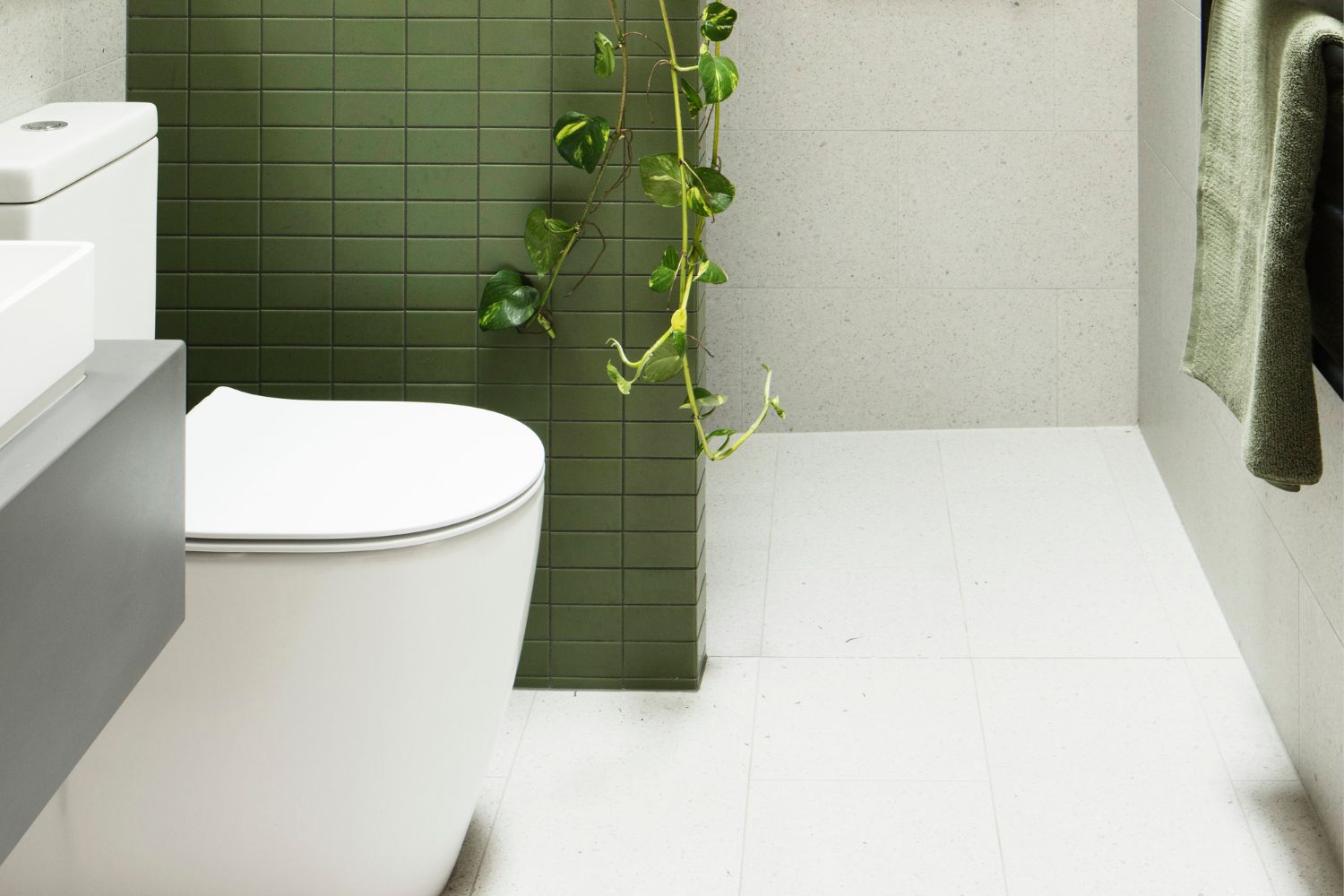
“We may not experience this at a conscious level, in the same way that we may not, at a conscious level, bemoan the lack of human touch in a given day,” he says. “Well-designed, considered spaces make us feel better — make us feel loved and cared for, make us feel safe.”
Your home plays a huge role in your mental health. The right design, materials, colours, textures, light, and connection to the natural world can have a deep impact. “Today we are seeing a return to those human-centric ideals, now strengthened by building science and sustainability imperatives,” says Ton. “Contemporary human-centred design in Australia goes beyond aesthetics — it’s about creating energy-efficient, healthy, and comfortable homes.”
For Ton, thoughtful selection often comes down to a few key criteria: choosing products with low-embodied energy, which are non-toxic and ideally from renewable or responsibly sourced materials. “For example, specifying VOC-free paints, FSC-certified timbers, and natural wool insulation reduces exposure to harmful chemicals and creates healthier indoor air quality,” he says.
Human-centred design also encompasses design flexibility. Mick says a family’s life isn’t static, so spaces shouldn’t be either. “Operable screens, dual-use spaces and layered floorplans let you open things up for connection or close them down for privacy or to hide clutter,” he says. “Flexibility makes a home more enjoyable and more enduring as your circumstances change.”
Naturally good
Biophilic design is a part of human-centric planning. It’s all about connection. It’s based on the notion that humans have an innate relationship with nature. Sam says looking for ways to enhance that sense of connectedness is important. “Views to a garden, to the ocean or the sky; the sound of birdsong — these things calm our nervous system and lead to healthier, happier lives,” he says.
There’s a host of ways you can foster connectivity to the outdoors. One of Mick’s favourites is the window seat. “Is there a better architectural invention than the window seat?” he ponders. “In our house, the window seat is the most loved spot — the only issue is that all five of us want to sit there at once!”
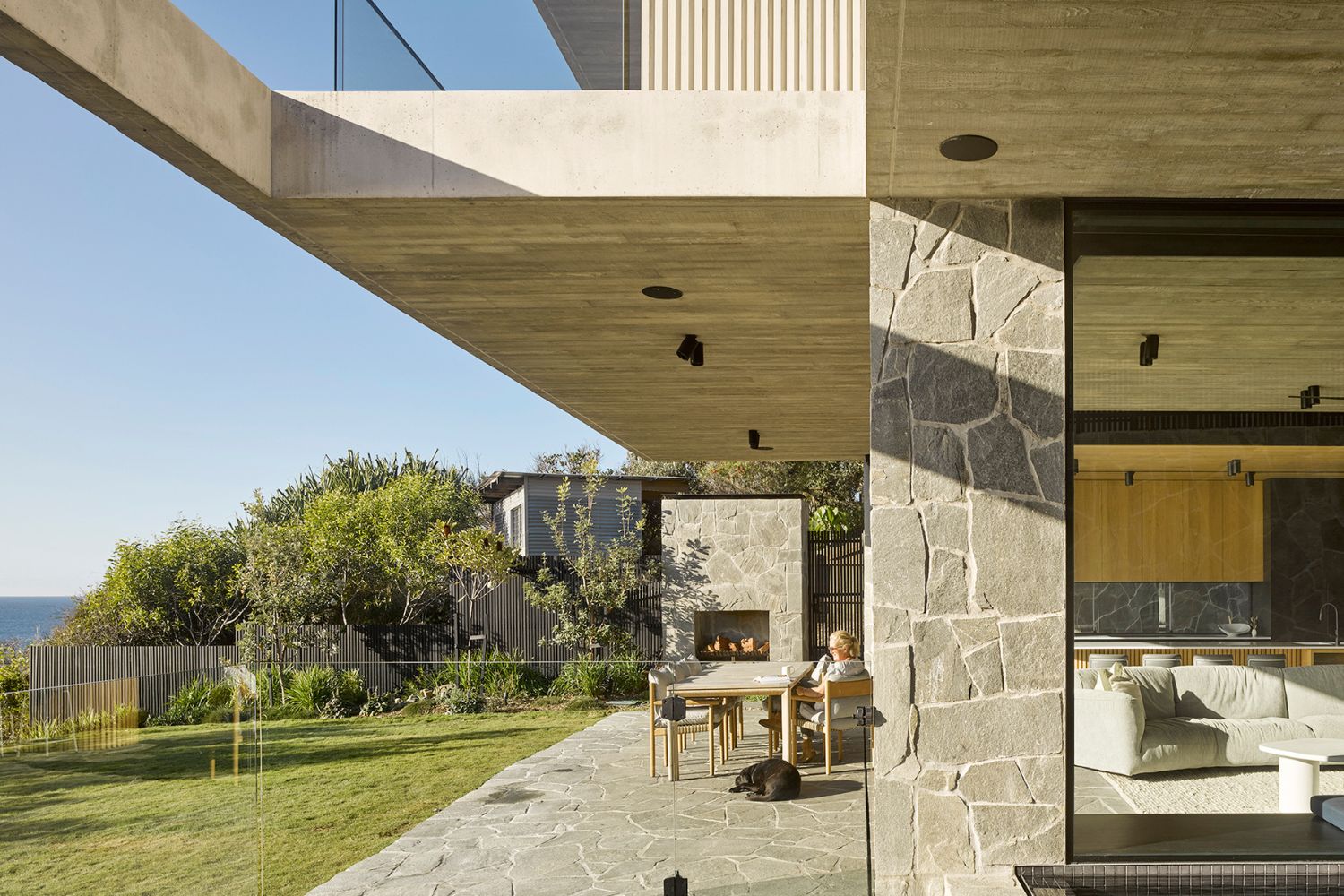
Biophilic design is, at its heart, human centric. It’s all about plants and indoor-outdoor connectivity to greenspaces, but that’s only part of the story. “It can apply to spaces with surfaces made of natural materials that make us feel more comfortable, happier and healthier,” adds Sam. “The surfaces of the things that we see and touch change the way we feel inside ourselves.”
Biophilic design encompasses flowing water, warm spaces bathed in natural light, even organic shapes that occur in the natural world, such as a curved benchtop or curved mirrors. It’s all about flowing shapes rather than geometric or ordered patterns.
Calm the chaos
Human-centred design seeks to offer calm and solace. Cluttered spaces influence our emotions. It can lead to feelings of overwhelm and disconnect. Creating interior spaces that have adequate storage helps to corral the clutter and calm the mind. Well-designed spaces offer solutions for storage, so what you need is at your fingertips when required and tucked out of sight when it isn’t. Custom joinery pieces are tailored to individual storage needs. Multifunctional storage spaces offer design flexibility over time as needs change.
Community living
With booming population growth in inner cities and along coastal fringes, the only way to go is up. Apartment living in residential communities is on the rise — in more ways than one. Modern apartment living is human centric — it fosters connectivity between residents. But it hasn’t always been that way. Ton points out that for a long time, architects grappled with the disconnect between residents and the ground plane, as well as the isolation created by repetitive, stacked apartment layouts.
“In recent years, we’ve seen innovative strategies to re-establish those incidental moments of connection,” he says. “Projects such as Nightingale Apartments in Melbourne show how communal laundries, rooftop veggie gardens, and outdoor dining areas can become places where neighbours naturally meet.”
Light me up
Natural light is balm for the soul. It boosts your serotonin levels and can elevate your mood. Some say it’s essential to the human condition. “If natural light isn’t in our charter of human rights, it damn well should be,” states Mick. “Sunlight does more than brighten a room — it sets our sleep–wake cycles, sharpens concentration, and also supports our mental health.”
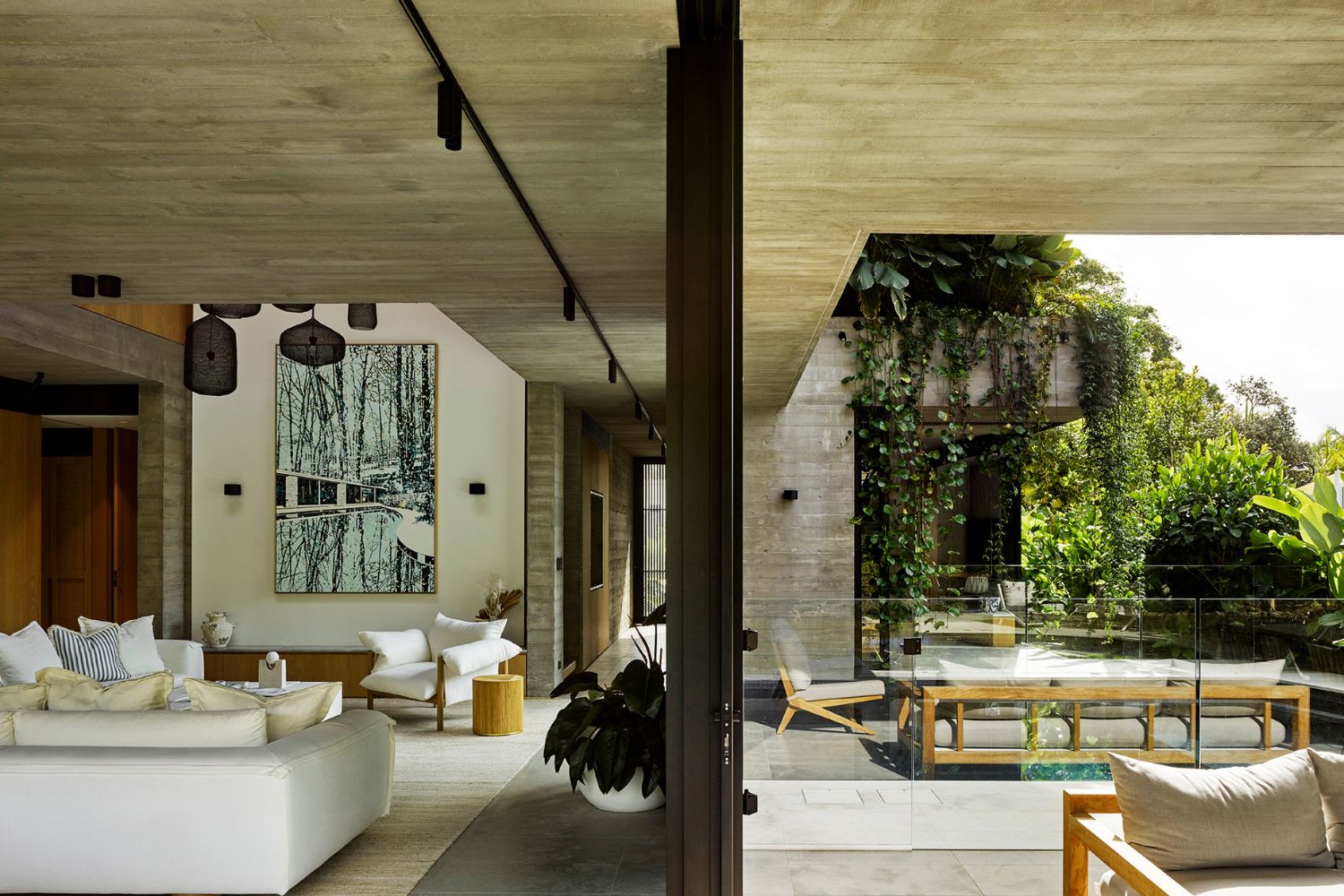
Human-centred design captures natural light, it looks at ways to harness dappled light, and at times it seeks to punch light deep into a home. Other times it needs to offer shade. Mick explains that design wise, it’s about getting the right light in the right place at the right time.
“Bedrooms facing east allow you to wake up with the morning sun, while living areas oriented north stay bright and comfortable throughout the day,” he explains. “We usually avoid harsh western sun in the afternoons, but sometimes we like to design in a little sun trap to capture that warmth on a chilly winter afternoon.”
Some say to design a human-centric home, we should also be able to look up and see the heavens. “I firmly believe that we need to be able to see the sky from indoors,” says Sam. “Rooms with windows with a low head height that prevent us from seeing the sky from within our domestic spaces lower our mood.”
Sound bites
Design elements in residential architecture are what makes up human-centred design. Acoustics refers to how sound waves radiate from a source and interact with other surfaces in a space. Sam says well-proportioned rooms, with the right balance of hard and soft surfaces, create a comfortable acoustic environment.
“Our voices can be heard and not drowned out by echo or reverberation,” he says. “We may not be conscious of acoustics when a room is comfortable, but we will certainly be conscious of it when a room is loud and uncomfortable.”
The acoustics of a space is important, yet Ton says it’s not given its due. “Acoustic design is one of the most overlooked aspects of residential architecture,” he notes. He explains that acoustics can be enhanced through deliberately minimising noise transmission from outside and between rooms.
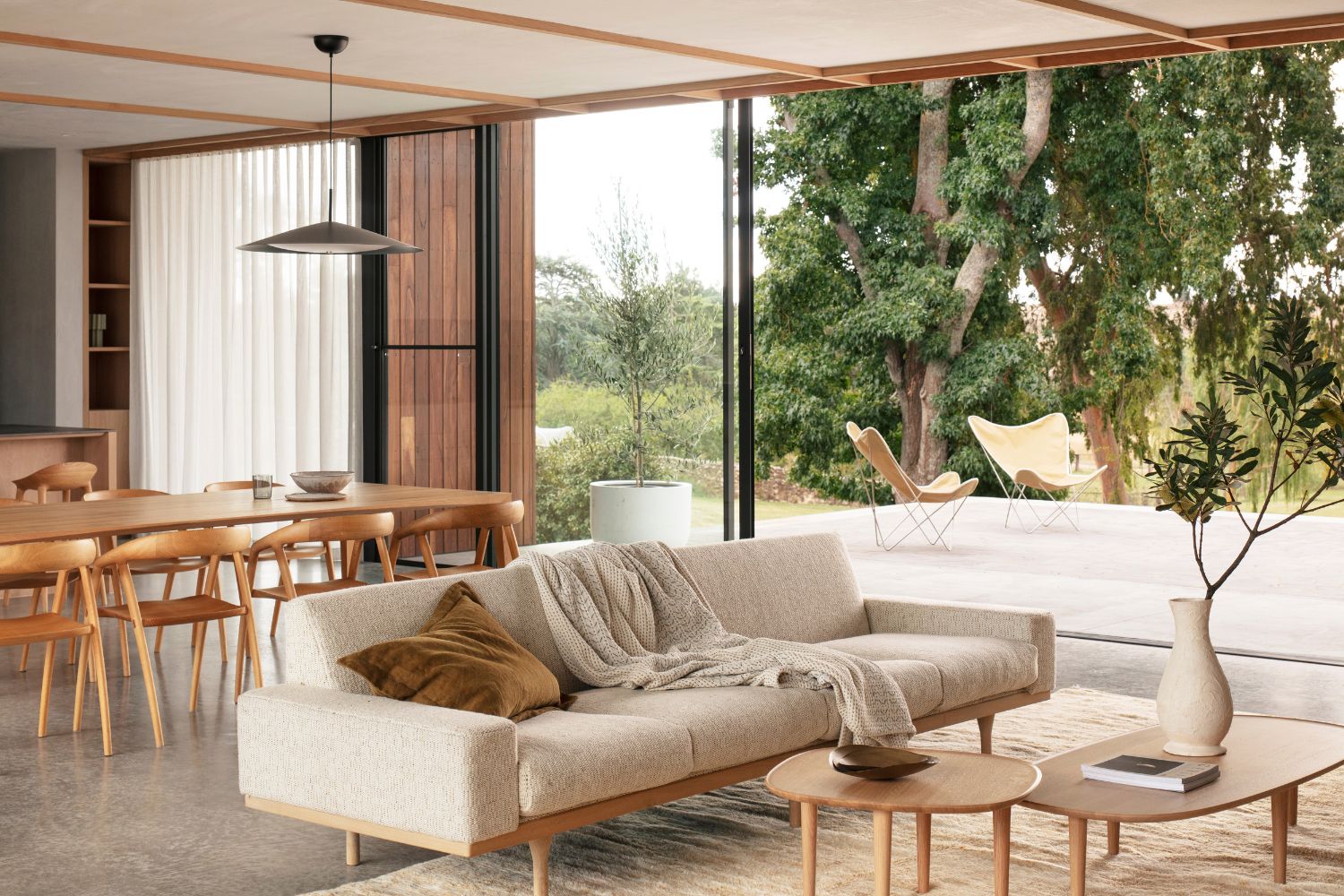
“For example, this can be done by separating quiet bedrooms from noisy living areas, specifying solid internal doors, and using wall and floor assemblies with higher acoustic ratings,” he says. “Thoughtful surface selection is equally important: incorporating sound-absorbing materials such as acoustic ceilings, rugs, and upholstered finishes can reduce reverberation and create a softer, more comfortable sound environment.”
This article originally appeared in Grand Designs Australia, issue 14.4.