
Who’s for burgers? This tasty, fast-growing purple bulb just might be Australia’s favourite root veg
Words Jennifer Stackhouse
For many hamburger lovers, it’s the slice of beetroot that makes the snack genuinely Australian. Take that to the next level with homegrown beetroot on homemade burgers.
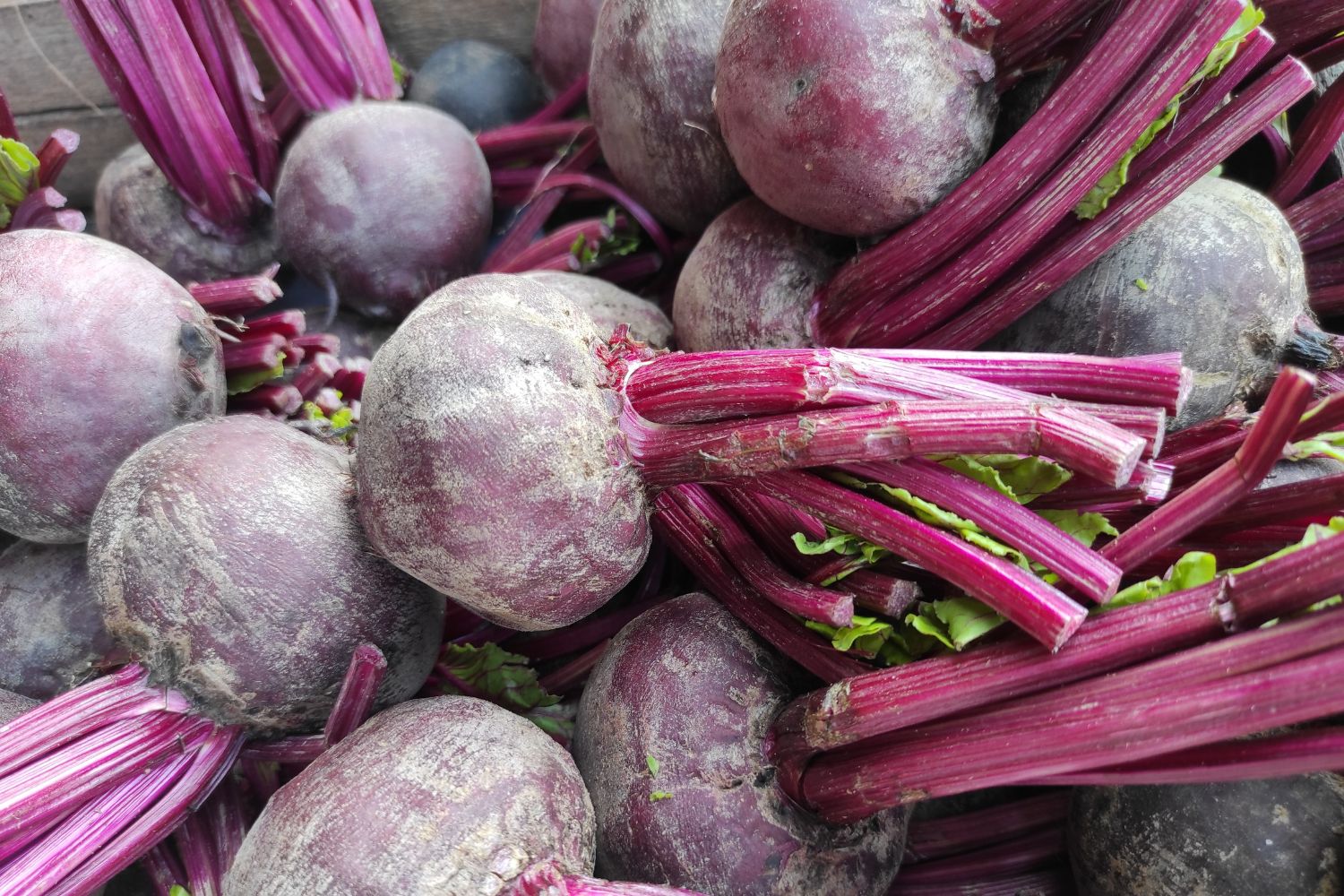
The indelible red juice makes it a messy vegetable to prepare and eat but its flavour and versatility (yes, there’s more to beetroot than hamburgers), along with ease of growing, make it a great addition to the autumn vegie garden — though it can be grown most of the year.
And if you really don’t like red stains from stray slices of beetroot, look for stain-free yellow beets.
Despite the strong link between Australian cuisine and beetroot, this root veg is native to the Mediterranean and North Africa.
It’s believed that, before the root ever became the main edible part, the plant’s leaves were harvested and eaten. Indeed, even today, beetroot is also popular as a microgreen.
Grow from seed
Start homegrown beetroot from seed, which can be sown into prepared soil. The plant can fail to form good beetroots if transplanted, which is why it’s direct sown.
As you tap beetroot seeds out of the packet and into your palm you’ll discover an oddity about beetroot seed. Not only does the seed look corky, it isn’t a single seed but what’s known as a seed cluster made up of three seeds.
To make them easier to handle and ensure correct spacing (10cm apart), seeds are often sold on a biodegradable tape: you roll out a length of tape in a slight furrow in prepared soil, lightly cover it with 1-2cm of soil, firm down and water. If planting several rows, space the rows 30-50cm apart.
To prepare soil for planting, make sure it’s free of weeds and hard clods. Add in extra compost or well-rotted manure.
If the soil is acidic, also dig in a few handfuls of lime, as beetroot likes a slightly alkaline soil (pH of 6.5–7). Leave the prepared soil for several weeks before sowing seed.
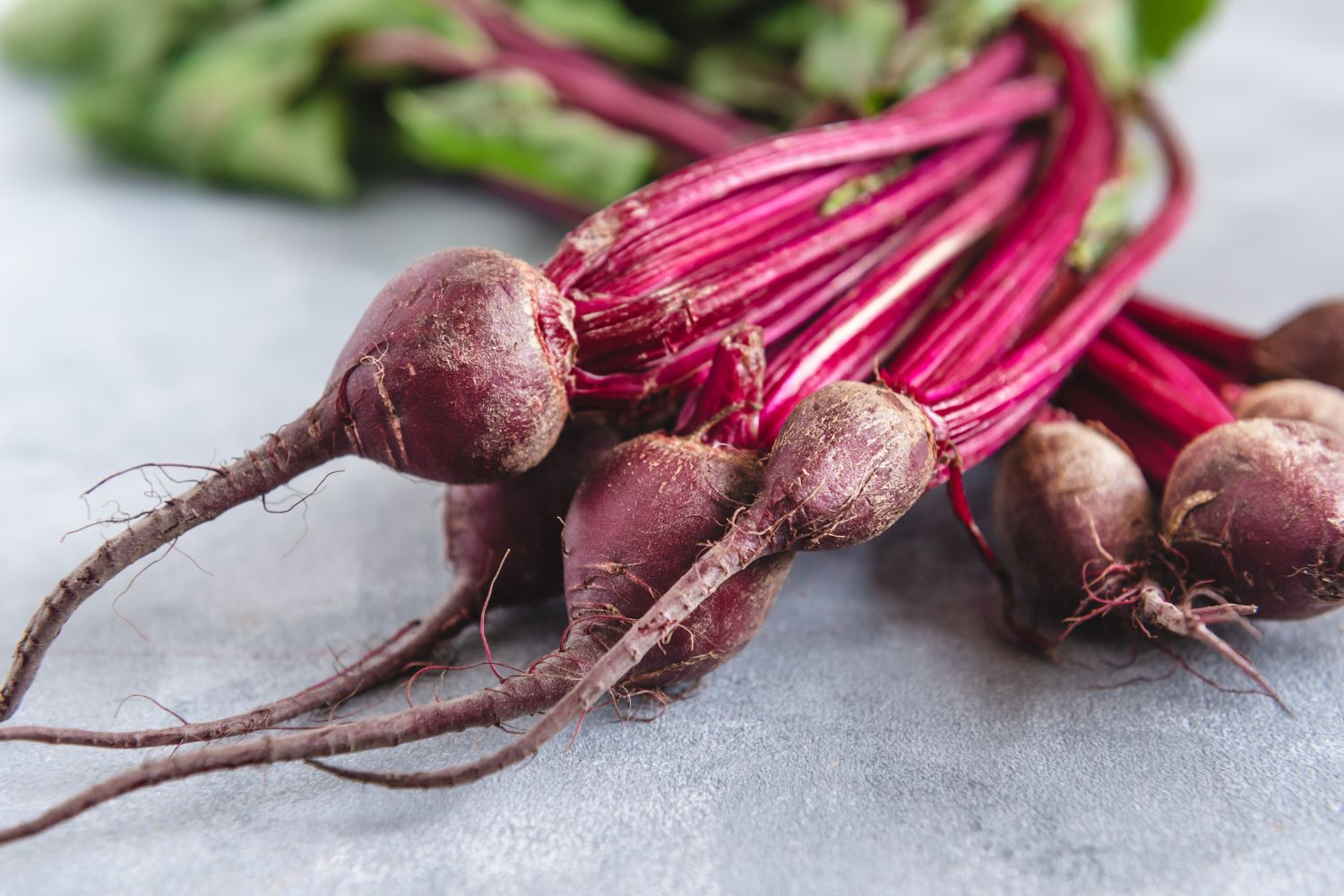
Beetroot can be grown also be grown in containers. If growing in a pot, look for mini beetroot varieties, which are fast-growing and take up less space.
Getting started
Beetroot is a quick crop. Seeds should germinate in around 7–14 days unless the soil temperature has already cooled. In cooler conditions, germination may take up to 21 days from sowing.
Seeds can be sown from late summer to spring but in most areas are best sown during autumn into early winter. Make repeat sowings every three to four weeks to avoid a glut.
Once the little seedlings emerge, the clusters need to be thinned so there’s only one seedling. Do this when the seedlings are about 5cm high and use the excess plants in a salad so nothing is wasted.
Growing tips
Keep the plants growing rapidly with regular feeding, watering and weeding. An all-purpose organic liquid plant food applied every two weeks should see the plants power along.
A layer of organic mulch around each plant helps keep weeds at bay. Beetroot grows with dark-red stems and red-tinged leaves that look a lot like silverbeet leaves and are similarly edible and delicious steamed.
Gently pick some leaves from each plant, taking care as you harvest not to dislodge the plant. Like the beetroot root, the leaves exude red colouring as they cook. They can also be used raw
as a salad.
As the swollen root develops, the top of the root can be seen above the soil surface. By the time the root is around 3-7cm in diameter it’s ready to harvest.
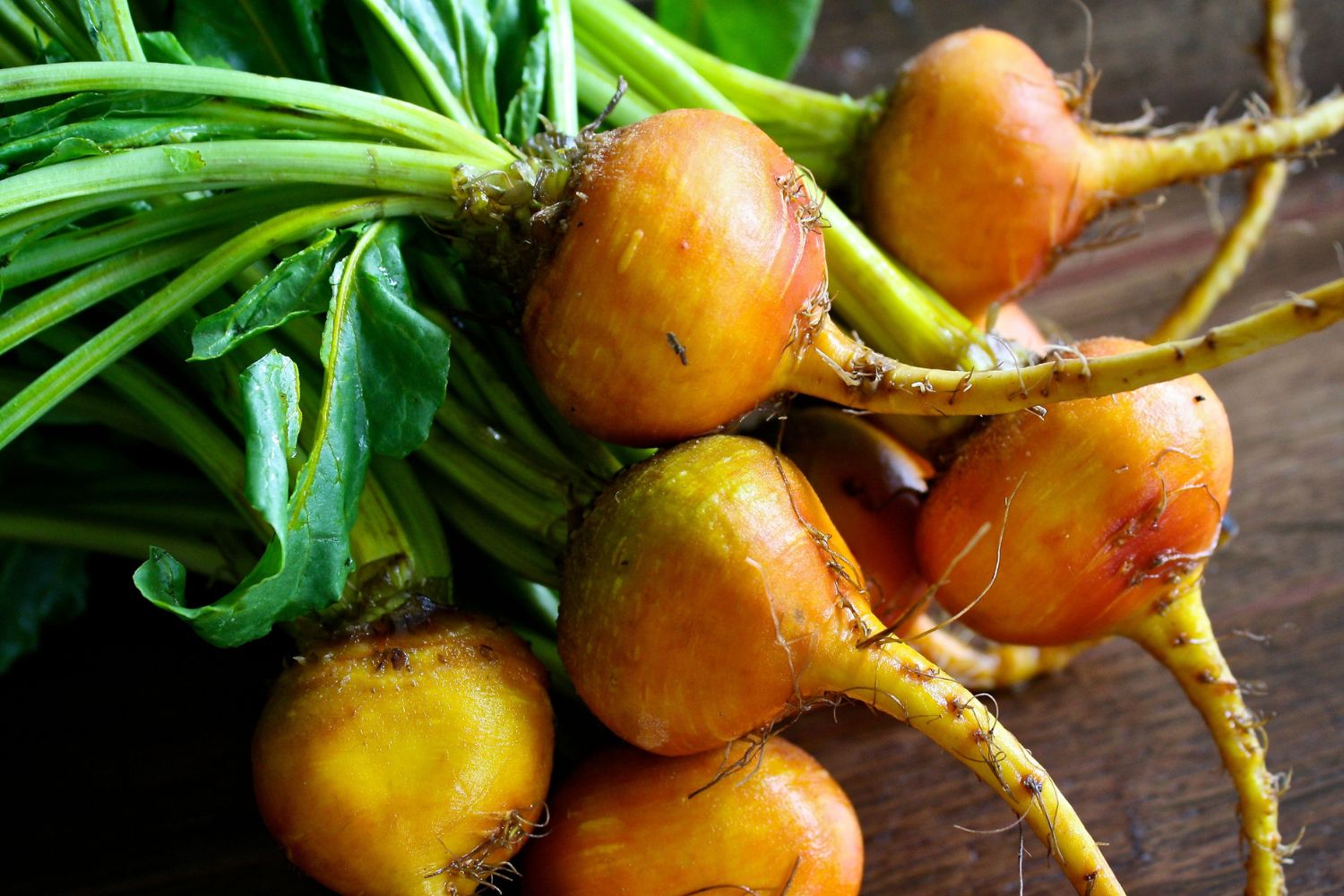
Don’t leave beetroot too long as it can become woody and unappetising if overly mature. The main stem will also eventually flower.
To harvest, pull up the entire plant then cut off the stem leaving several centimetres attached to the root. This reduces bleeding during cooking.
Harvest the leaves to eat — or feed the stem and remaining leaves to the chooks. Before storing the root, gently clean to remove dirt.
Beetroot keeps well in the crisper section of the fridge but can also be cooked then sliced and either pickled or frozen. Sliced beetroot in spiced vinegar in a sealed jar lasts in the fridge for many weeks, always ready to add to a salad or top off an Aussie-style hamburger.
A traditional European use for beetroot is borscht, a deep-red soup. Raw beetroot can also be grated for a salad or cut into batons to use with a dip.
If you’re feeling adventurous, beetroot is a secret ingredient for a rich, moist chocolate cake.
Beetroot label
Common name: Beetroot, beet
Botanical name: Beta vulgaris
Family: Amaranthaceae (amaranth family)
Aspect & soil: Full sun; well-drained soil
Best climate: All
Suitable for: Vegie beds, containers (mini forms)
Habit: Biennial grown as an annual
Propagation: Seed, seedling
Difficulty: Easy
This article was first published in Good Organic Gardening, issue 16.5.
Image credit: Bigstock, Getty,