
It began with just a quiet whisper. Now it’s a collective almighty roar as a growing consciousness embraces ways to live a cleaner, greener existence. Sustainability is here to stay — it’s a necessary blueprint for decision makers and innovators.
Words Carrol Baker
With soaring energy prices and finite resources, we have reached a tipping point. Where to now? Well, that is up to us. Solar design and architecture can work hand in hand to deliver cleaner energy-efficient solutions. Through passive design strategies, architects, designers and forward-thinking innovators are working hard to reduce reliance on energy, producing options to power homes for convenience and comfort.
There has been an evolution regarding energy efficiency and sustainability over the past decade. Aaron Neighbour, director at Atlas Architects, says in the past 10 years the practice of residential architecture has shifted from tick-box upgrades to deeply integrated sustainability. “We’ve moved from simply adding solar panels or improved insulation to embedding energy performance into the DNA of a home,” he says. “It starts with site, climate and orientation, then flows into materials, systems and flexibility for the long term.”
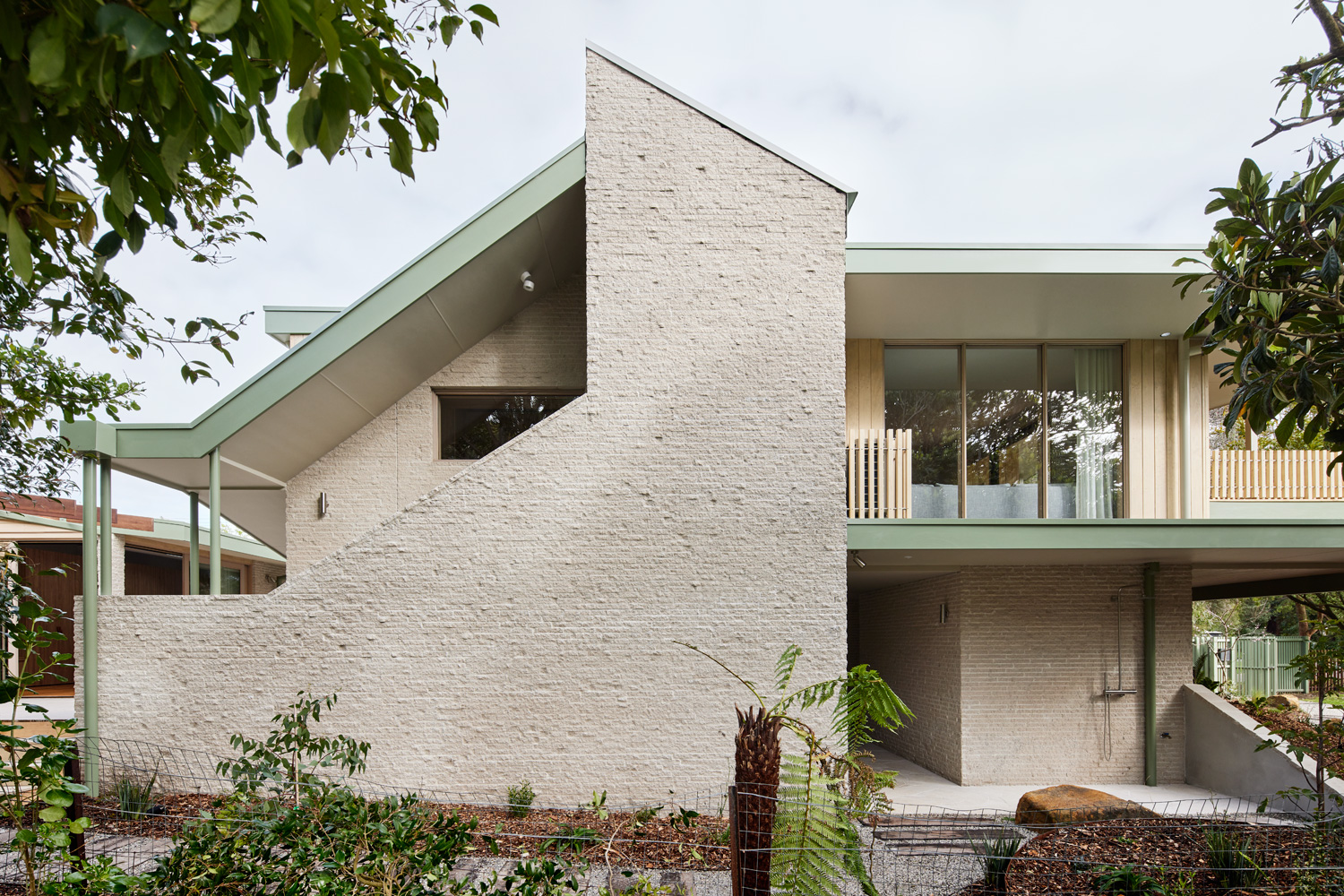
There has been a growing interest in Passivhaus design, which sets a very high standard for energy efficiency. Aaron says a Passivhaus uses a maximum of 15kWh per square metre per year for heating and cooling, much less than a typical home. “This is achieved through excellent insulation, airtightness, high-quality windows and mechanical ventilation that recycles heat while bringing in fresh air,” he explains.
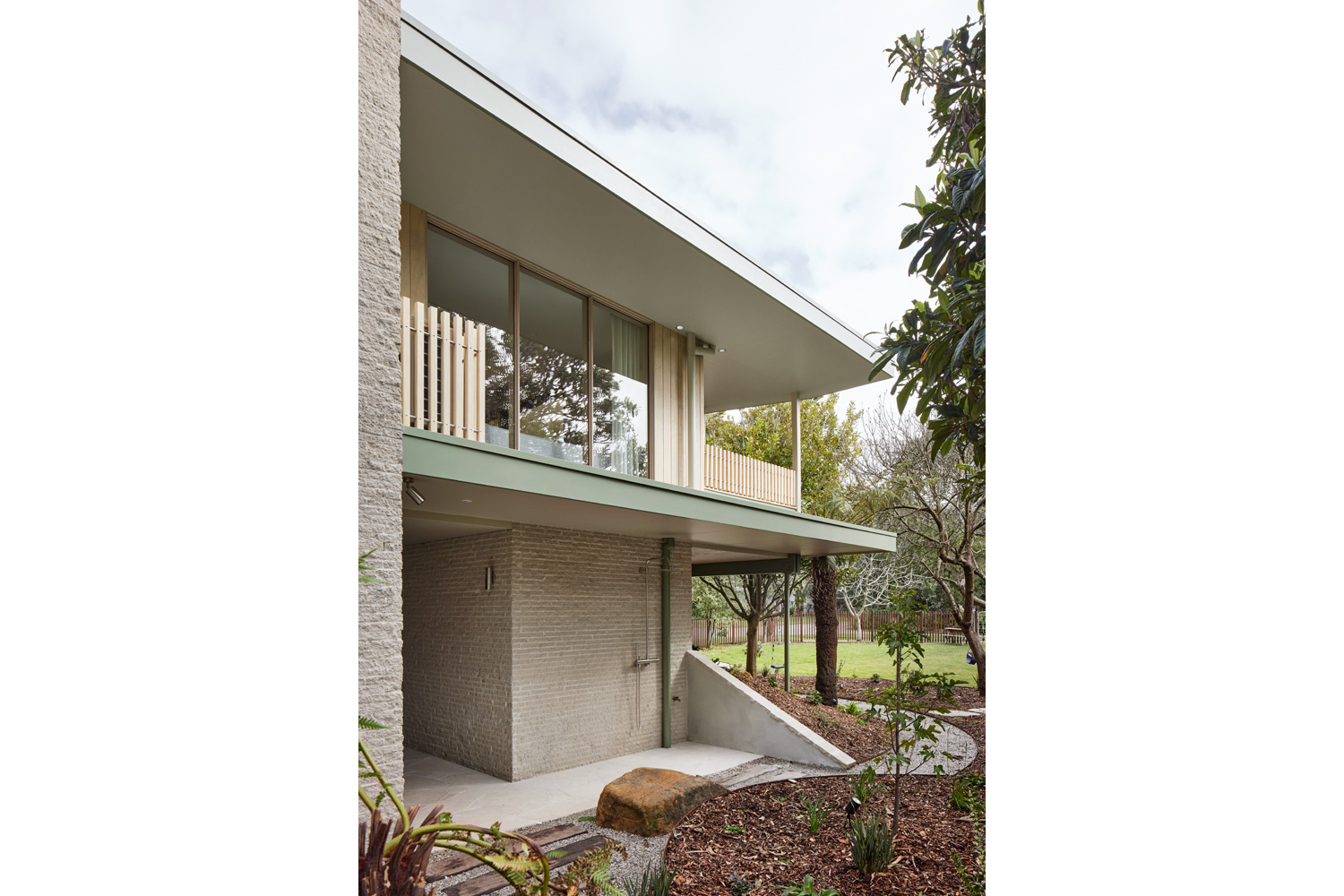
Getting it right from the get-go makes good sense. That way there is less reliance on energy. Orientation is key, with living spaces to the north, deep eaves to block sun when needed and cooling shade trees where possible to screen.
Aaron stresses the performance of the building envelope is important and takes into consideration insulation, windows and sealing, as these have a direct impact on comfort and energy demand. “High R-value insulation, thermally broken frames, double glazing and airtight construction help stabilise indoor temperatures throughout the year,” he explains. “This means less energy is required to maintain thermal comfort, translating to lower power bills and better year-round performance.”
Savvy savers
As energy prices rise and sustainability becomes an integral part of design, there are measures we can take. Fiona Dunin from FMD Architects says illumination is one area that’s relatively easy to address. “Particularly in older homes, you can still see lots of incandescent and halogen lighting,” she says.
According to the Department of Climate Change, Energy, the Environment and Water, LEDs use about 75 per cent less energy than halogen light bulbs and last five to 10 times longer. That’s saving a whole lot of light bulbs going into landfill and substantially reducing energy costs.
More households incorporating heat pump electric hot water is another measure that Fiona says will make a big difference. “A heat pump hot water service that uses condenser technology is about 70 per cent more efficient than a standard electric storage hot water unit,” says Fiona. It uses vapour compression heat transfer, extracting warmth from the ambient air (even in cooler temperatures) and transferring it to water. It is unlike gas systems that have to burn fuel in order to generate warmth. Some states are offering government incentives to replace an electric or gas hot water heater with an air source heat pump water heater.
One of the biggest shifts that needs to occur, according to Fiona, is to reduce our reliance on gas. “The key thing really is to get off gas, especially now, as it’s far more accessible to convert your gas heating systems to an electric hydronic system,” she says.
Eco-savvy solar
If you’ve never heard of solar, you’ve probably been living under a rock. While the concept isn’t new, there have been some developments across the board in solar technology, price points and service offered.
In a sun-drenched country like ours, solar is a gift from Mother Nature. Basically, solar works by harnessing sunlight and converts it into direct current or DC electricity. The inverter, which is part of the system, needs to change the DC power into AC or alternating current to power your home.
When crunching the numbers, having solar can make a huge difference to your hip pocket. Jeff Sykes from Solar Choice says a 6.6kW solar system can produce 22 to 25kWh per day, reducing electricity bills by 40 to 70 per cent. If you have a solar battery, it stores excess electricity, so you’ll save even more. It can be used when there is demand for electricity beyond what the panels can provide to power appliances at night, for example.
To maximise your return on investment and optimise your savings, Jeff suggests using timer on hot water system, dishwashers and pool pumps.
When sourcing solar for your home or business, it’s important to choose high-quality panels with a good performance and product warranty. It’s also crucial to source an accredited CEC installer, note if they have technical and sales support in Australia, search online for strong positive reviews, and check to see that they offer a good warranty. The Clean Energy Council website hast a list of approved solar PV modules, inverters and batteries that meet Australian standards.
If you are building a home, it’s a good idea from the outset to build a roof with the design intent of adding solar roof tiles or panels. Aaron says by aligning the roof’s slope and pitch to the optimum solar angle, you can install directly onto the roof surface without the need for bulky tilt frames. “This not only improves performance, but also creates a cleaner, more refines architectural expression,” he notes.
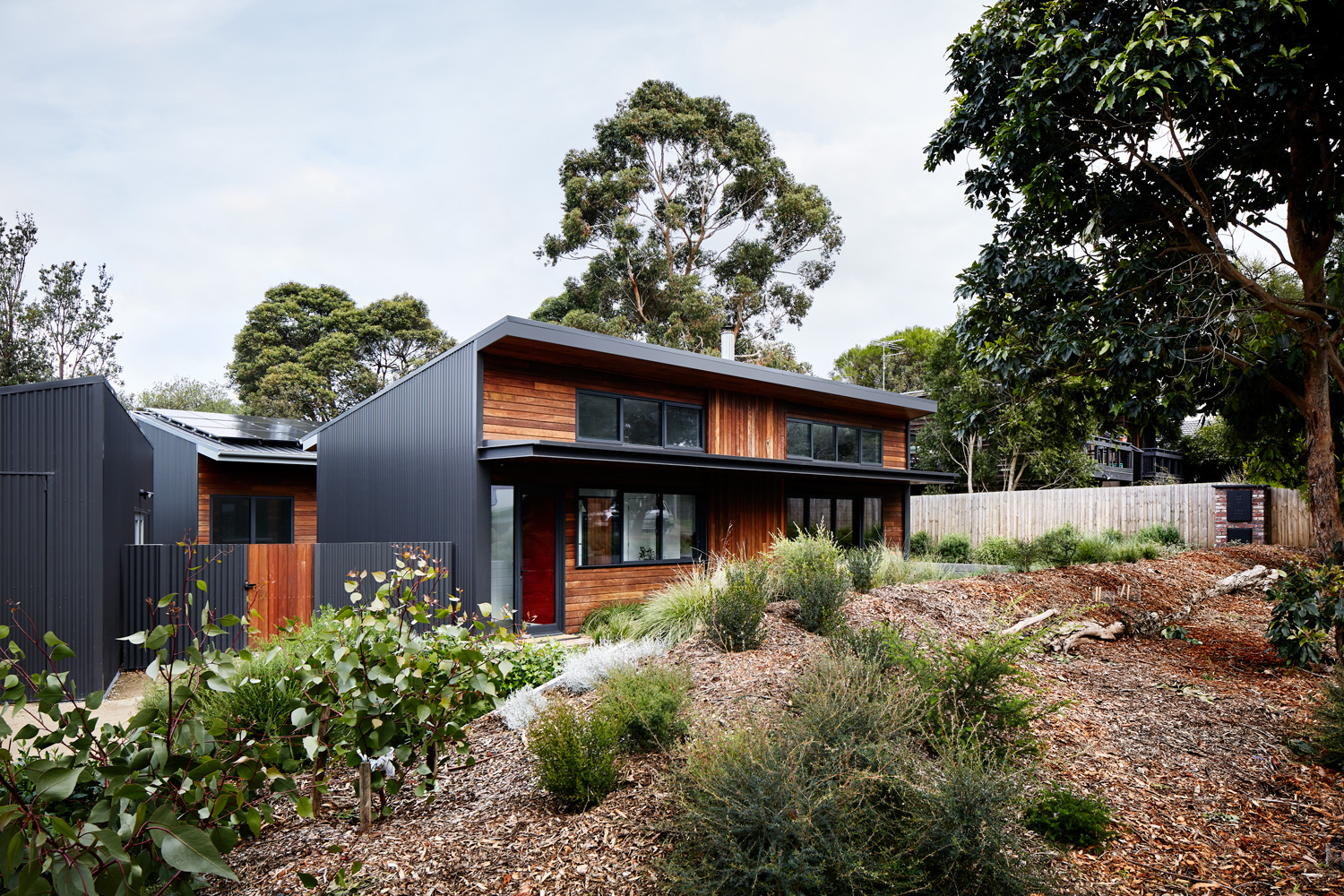
Some people might love the idea of solar but are concerned about how it’s going to look on the roof. There are ways to overcome this. Fiona says if you have a rural property, then it’s a simple solution. “We designed our Coopworth rural property with the solar panels on a shed,” she says.
If you live in the burbs, it can pay to get a little creative when positioning your solar. “One of our projects, Tiara House, is a heritage house to which we added an extension,” says Fiona. “The solar is hidden behind a parapet wall, on a flatter roof with some pitch.”
Solar-tiled roofs
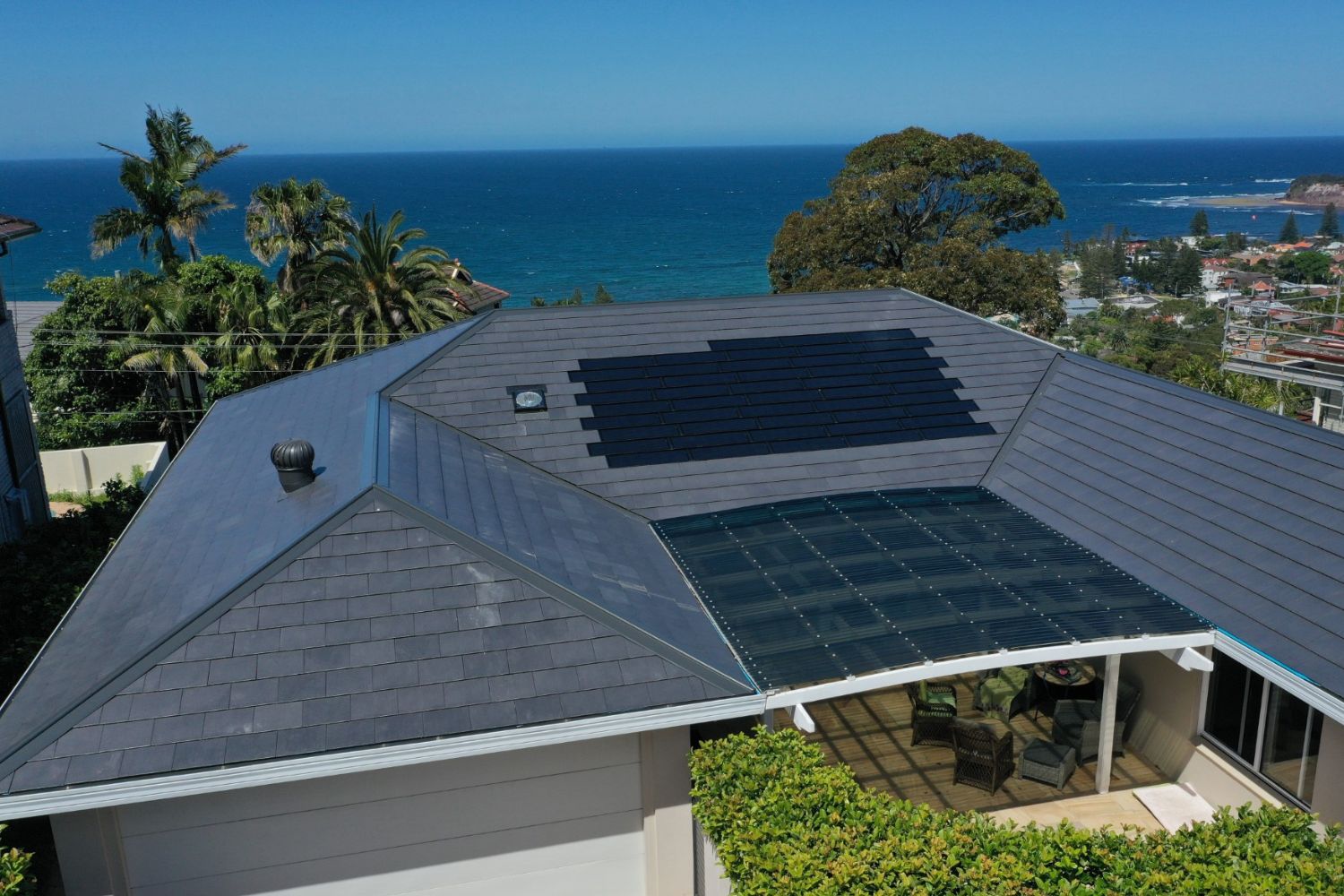
Solar roof tiles are a viable alternative for those looking to add solar but who don’t want solar panels. Lee Meredith from Scope Building Group says they certainly do have benefits. “You don’t have solar panels sitting on your roof, and tiles look good as they run seamlessly with the roof,” he shares.
The NuLok roof system suits re-roofs or new properties. “You can integrate it with a ceramic tile, which looks aesthetically beautiful, or with Welsh slate or Spanish slate,” Lee explains.
“The beauty of the solar tiles is they can stay at 90 per cent efficiency for 25 years, then drop down to 85 per cent after 30-plus years.”
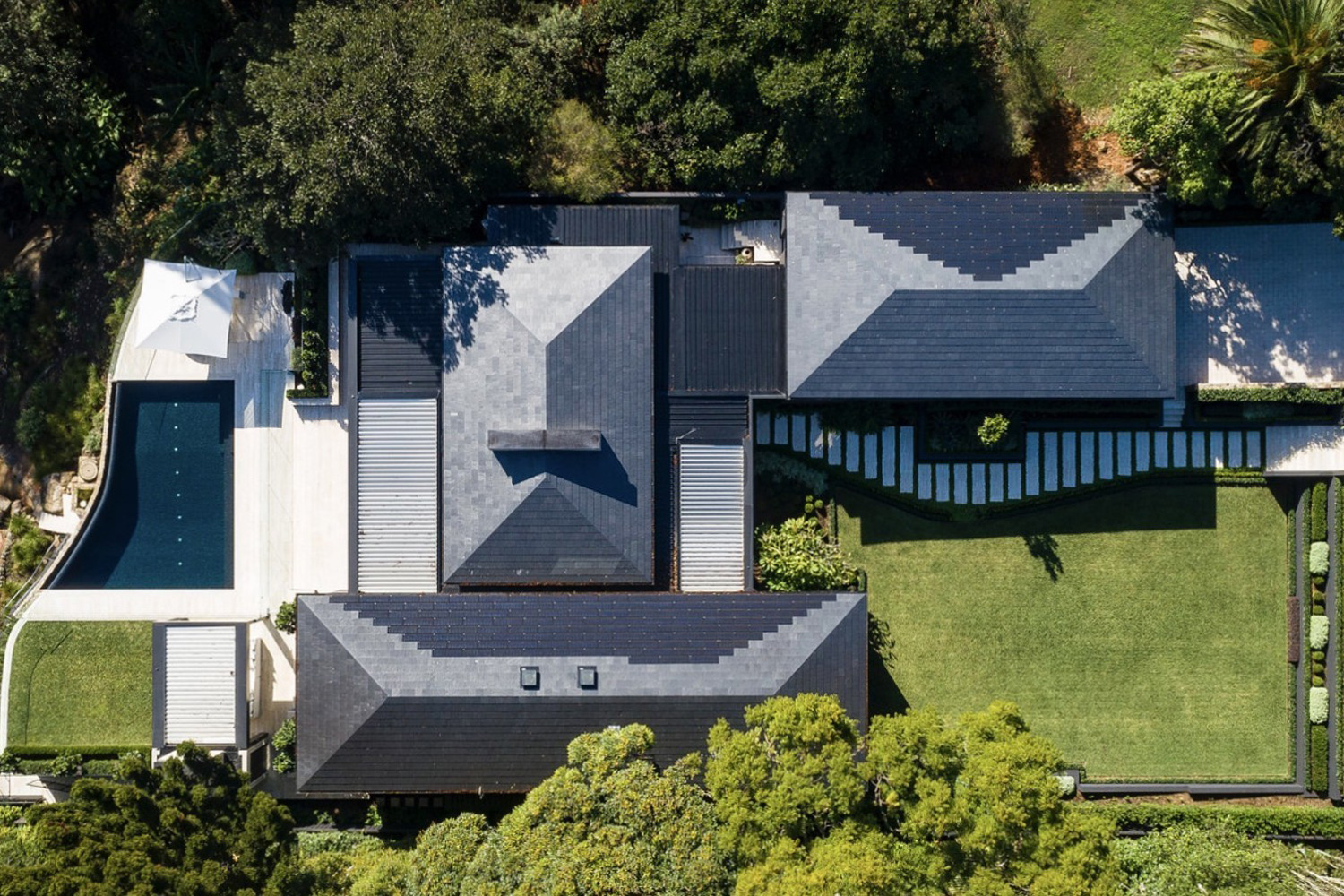
Lee says solar tiles can suit a wide array of houses, from rural properties to heritage homes. “Their performance is just as good as the big panels, and they look a lot better,” he adds. “A lot of people don’t want to build a beautiful waterfront property or rural property and then just plonk panels on top.”
The solar tile is integrated into the roof, with an airflow that runs underneath. “There is a constant circulation of air – heat won’t absorb in and the panels remain efficient with the air flow circulating,” Lee says.
A helping hand
There are some government subsidies, loans and rebates to incentive homeowners to buy into rooftop solar and batteries. The government’s Small Scale Renewable Energy Scheme (SRES) is designed to reduce the set-up costs of solar. There are also subsidies available in different states and territories, as well local governments – these are in additions to the SRES.
From July 1, 2025, a Cheaper Home Batteries Program was launched to provide discounts on batteries in the vicinity of around 30 per cent, as part of an expansion on the SRES. Check with your local or state authority to see what government incentives you qualify for.
Forging ahead
In this brave new world, where finite resources are depleting, the stakes have never been so high. It’s a delicate dance — taking what we need, replenishing what we can and looking for ways to find renewable resources.
There is certainly a push to become more self-sufficient. White the ideology of going completely off grid is appealing, for inner-city dwellers it’s not really possible – yet. “Do you need to be self-sufficient or just efficient?” ponders Fiona. “In urban environments you just don’t have the space to be completely self-sufficient – but that doesn’t mean there aren’t things you can do.”
Even apartment dwellers can have opportunities to tap into solar. “Some local councils are promoting a community-based solar array, solar systems shared by the body corporate, so everyone can benefit, ” reveals Fiona.
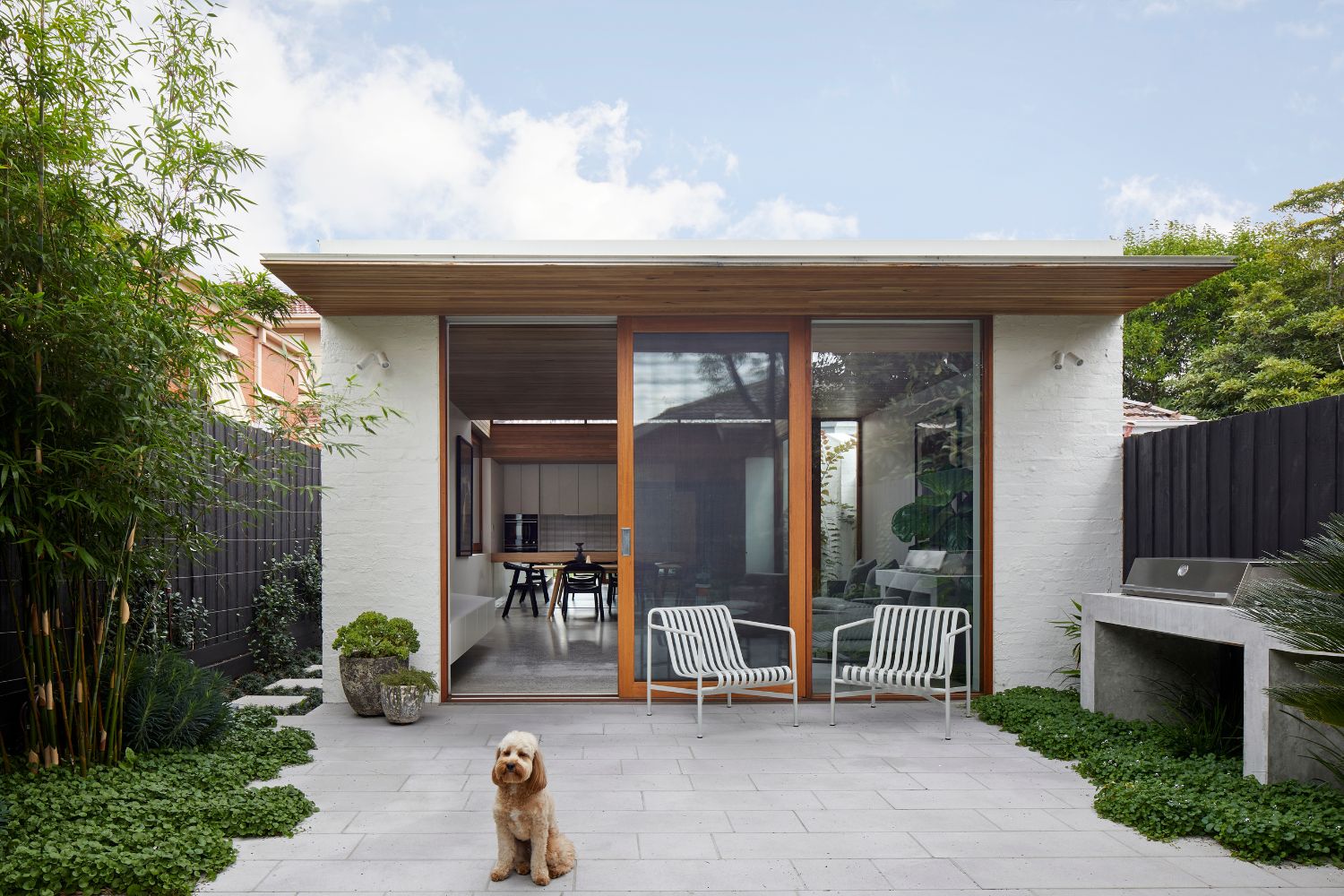
Good home design addresses futureproofing, creating flexible living spaces that can accomodate your needs, now and into the future. This also applies to solar and battery storage. You might want to allow for a solar EV (electric vehicle) charger in the future. With an EV charger you can power your electric vehicle using energy generated by your solar panels.
If installing solar panels isn’t feasible right away, Aaron says it’s still smart to plan for them. “Design your roof with a north-facing slope at the optimal angle for solar collection, typically around the same angle as your site’s latitude, e.g. 30 to 35 degrees if you are in Melbourne,” he says. “This means the roof is ready for panels later, with minimal rework or compromise.”
With the technology becoming more affordable, its also important that your roof and inverter system can support future upgrades to your system.
This article was originally published in Grand Designs Australia #14.5.