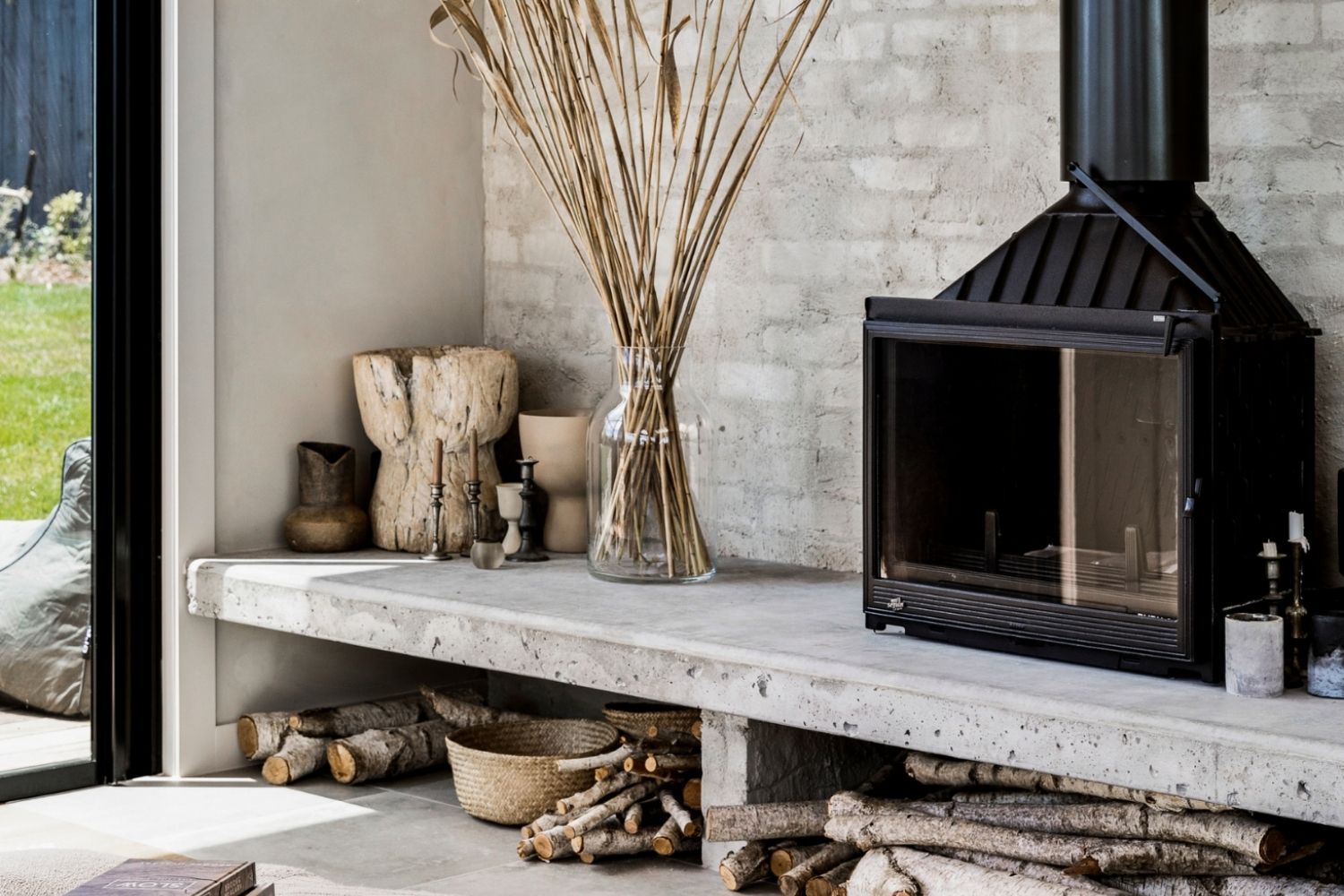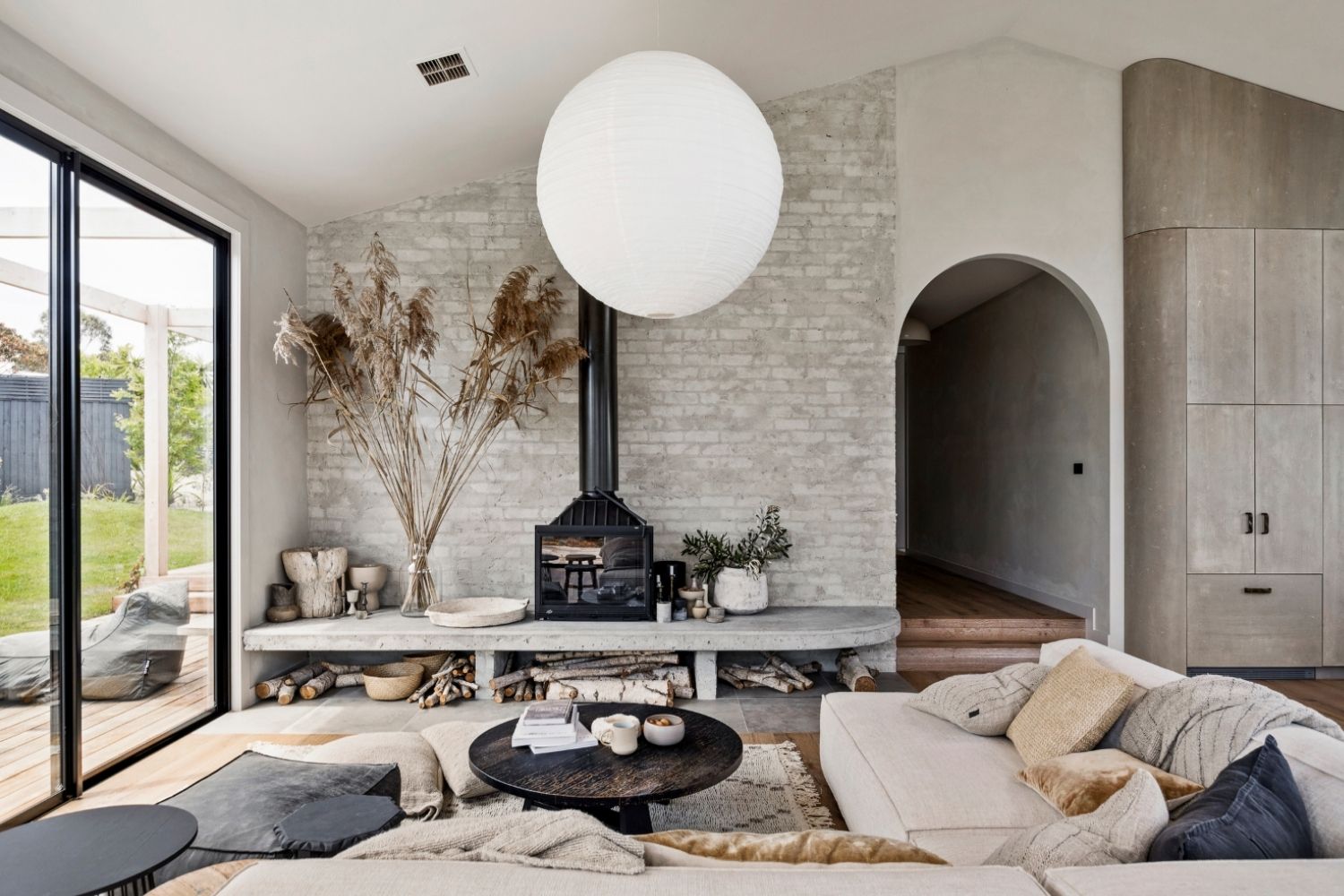
When people search for fireplace design inspiration today, they are looking for more than heat. They want architectural presence, material quality, and features that feel considered from the very beginning of the design process.
This shift is driving renewed interest in cast-iron cheminée-style fireplaces. Once central to European homes, this style is being reinterpreted for contemporary architecture, where permanence and material honesty are increasingly valued.
Why the Cheminée Style Is Returning
Traditional cheminée fireplaces were never designed to disappear into walls. They were vertical, substantial, and clearly defined. Over time, many fireplaces became lighter and less prominent, often treated as secondary elements.
Today, designers are reversing that thinking.
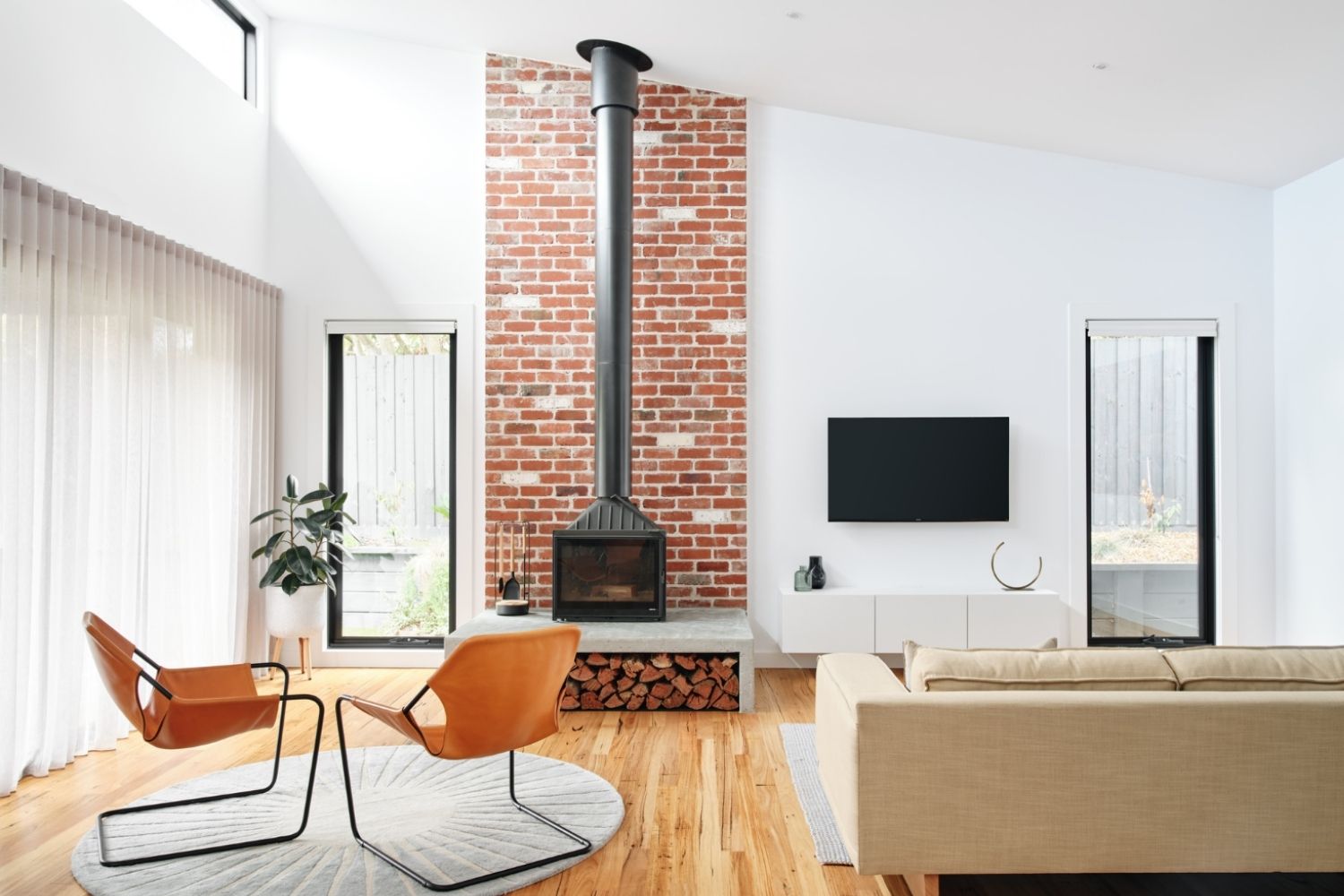
A cast-iron cheminée brings structure to open spaces. It introduces a clear focal point without relying on decorative surrounds. In modern homes, this vertical form helps anchor living areas while maintaining openness and flow. The result feels intentional rather than applied.
Cast Iron and Architectural Integrity
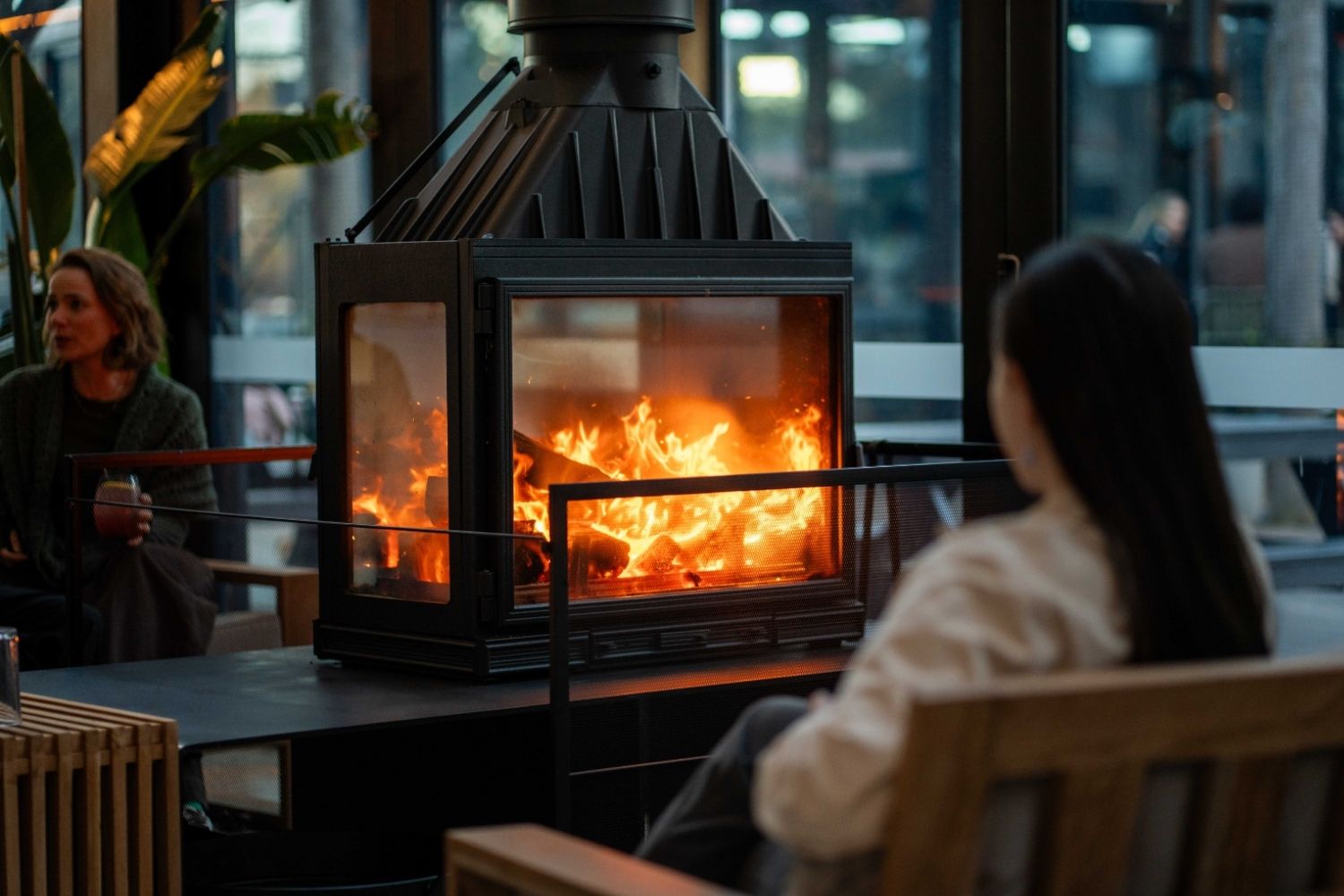
Cast iron plays a key role in this revival. It is a material defined by longevity and substance. Unlike layered finishes or fabricated surrounds, cast iron expresses its function honestly.
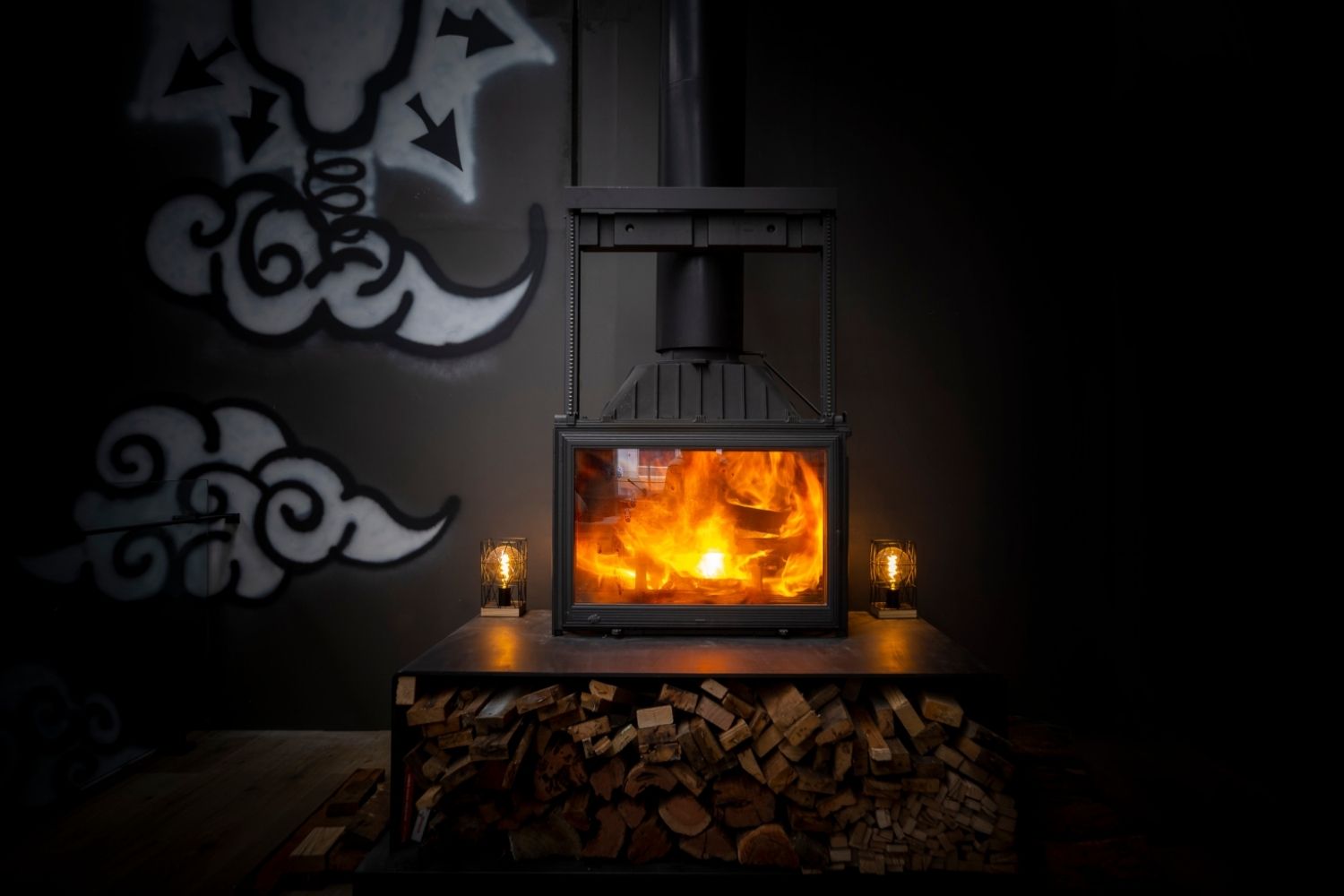
In contemporary interiors dominated by glass, stone, and light surfaces, cast iron provides contrast. It absorbs light, introduces depth, and creates visual weight. This balance is essential in modern fireplace design, where restraint must still feel grounded.
Rather than blending into the background, the fireplace becomes an architectural element in its own right.

A European Influence, Refined for Modern Homes
The cheminée style draws from long-standing European design traditions, where cast iron has always been associated with durability and craftsmanship. What has changed is the expression.
Modern interpretations are refined and minimal. Decorative detailing is reduced. Proportions are precise. The focus shifts from ornament to form.
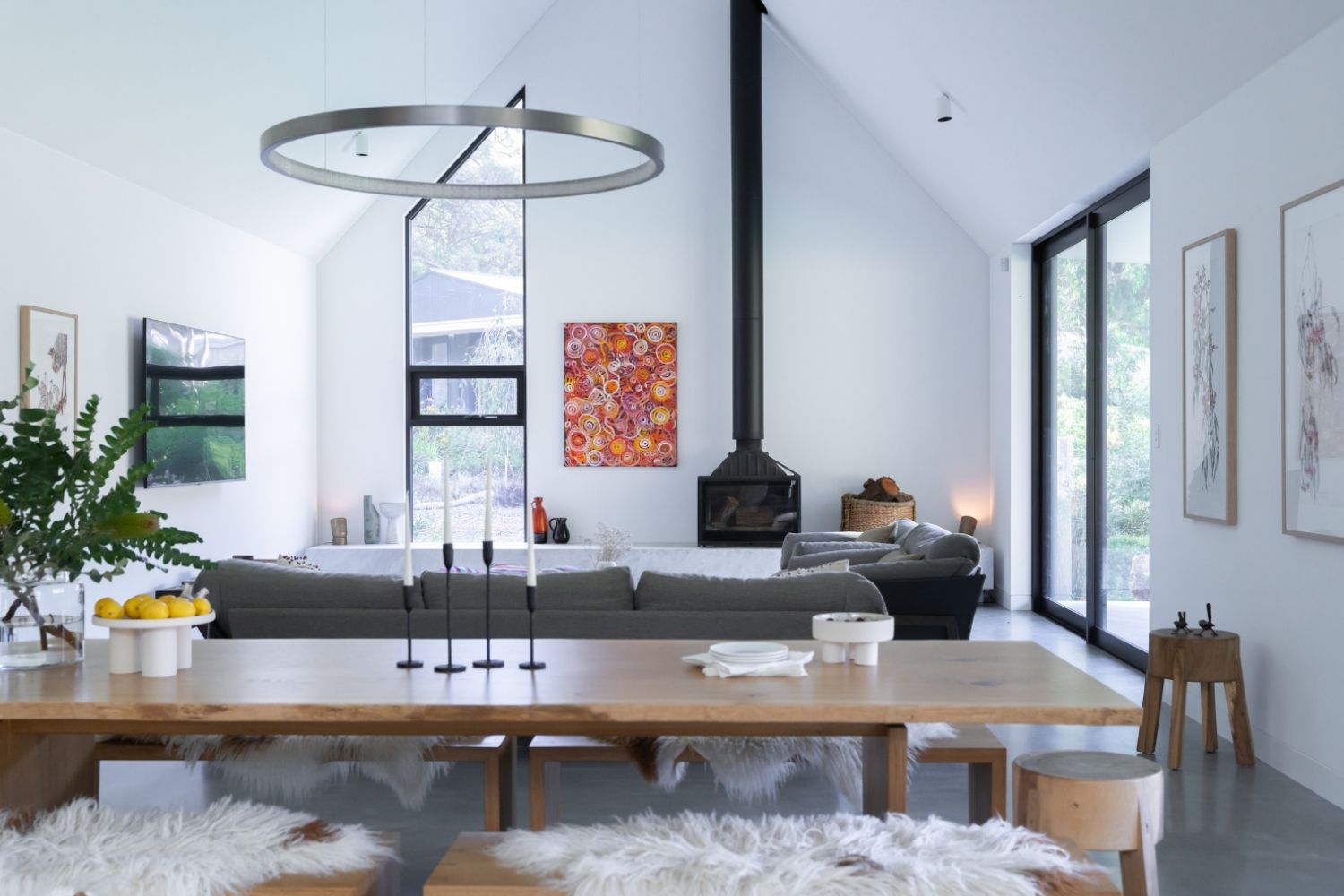
This evolution allows the cheminée to sit comfortably within contemporary Australian architecture, complementing clean lines and open-plan layouts while still offering warmth and character.

Fireplaces Designed Early, Not Added Later
One of the strongest indicators of this revival is when fireplaces are being specified.
Rather than being added late, cast-iron fireplaces are increasingly considered during early planning. Their placement influences room layout, circulation, and furniture positioning. A vertical fireplace can define zones without walls, maintaining openness while creating structure.
This approach reinforces the fireplace as part of the architecture, not a decorative addition.

Longevity as a Design Value
In high-end residential design, longevity is becoming a defining measure of quality.
Cast-iron cheminée fireplaces are built to last decades. They resist short-term trends and age with character. Their permanence reduces the need for future replacement, supporting more sustainable design decisions.
Choosing a fireplace of this nature is not about following fashion. It is about committing to a material and form that justify their place over time.

A Curated Approach to Fireplace Design
At Sculpt Fireplace Collection, this revival reflects a broader focus on architectural integrity and material quality. Sculpt works closely with architects, designers, and builders to support fireplace solutions that prioritise proportion, longevity, and design relevance.
As interest in cast-iron cheminée-style fireplaces continues to grow, their role within contemporary homes is becoming clearer. They are no longer an optional feature. They are a defining element of modern fireplace design. This return is not about nostalgia. It is about intention.

For more information