Selecting a bathtub is often a highlight of the home renovation process, representing a significant investment in both property value and personal wellbeing. However, a stunning tub is only as functional as the drainage system supporting it.
Choosing the correct bath drains & plugs is a critical technical step that ensures efficient water control, prevents long-term structural damage from leaks, and maintains the sleek aesthetic of a modern bathroom. In the Australian market, where both built-in and freestanding configurations are popular, understanding the specific drainage requirements of each is essential. By matching your bathtub type with the appropriate waste fitting, you can ensure a seamless installation and a reliable bathing experience for years to come.
Understanding the Role of Bath Drains and Plugs
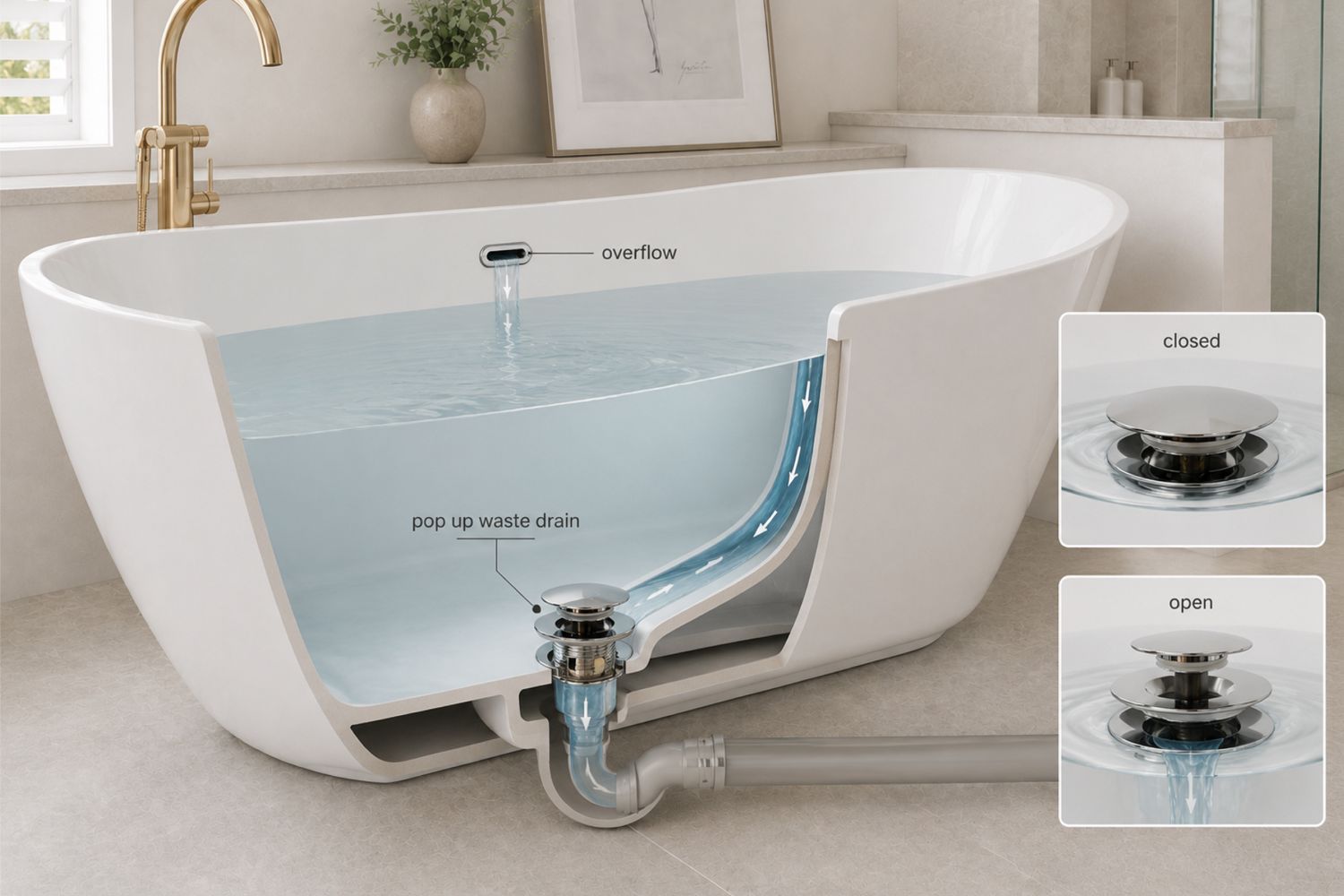
The drainage system of a bathtub serves a dual purpose: it must allow for a rapid, efficient exit of water after use while providing a perfectly watertight seal during a soak. Bath drains and plugs are the primary interface for this water control. Beyond mere functionality, high-quality drainage fittings contribute to the overall hygiene of the bathroom by preventing stagnant water build-up and blocking sewer gases from entering the home. Choosing the right components requires an understanding of your bathtub’s design, the position of your floor’s waste outlet, and the specific installation method required for your space.
The Functional Differences: Drop-In vs Freestanding Bathtubs
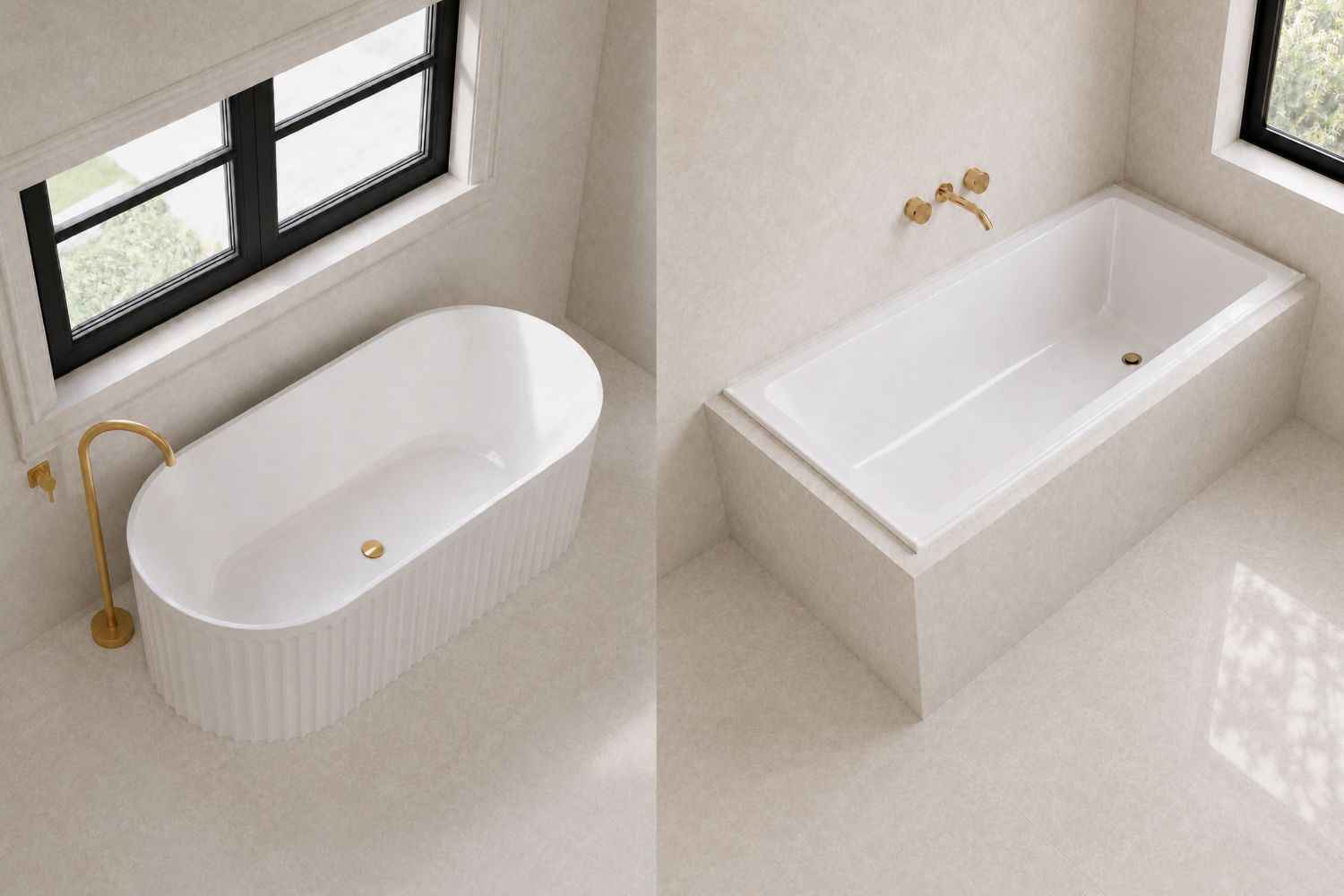
The type of bathtub you select—whether a tub drop in (built-in) or a free-standing bathtub—dictates the complexity and style of the drainage system required. A drop bathtub is traditionally encased in a tiled hob or “podium,” meaning the plumbing and drainage fittings are completely concealed from view. This allows for more utilitarian drainage solutions, though accessibility for future maintenance must be carefully planned.

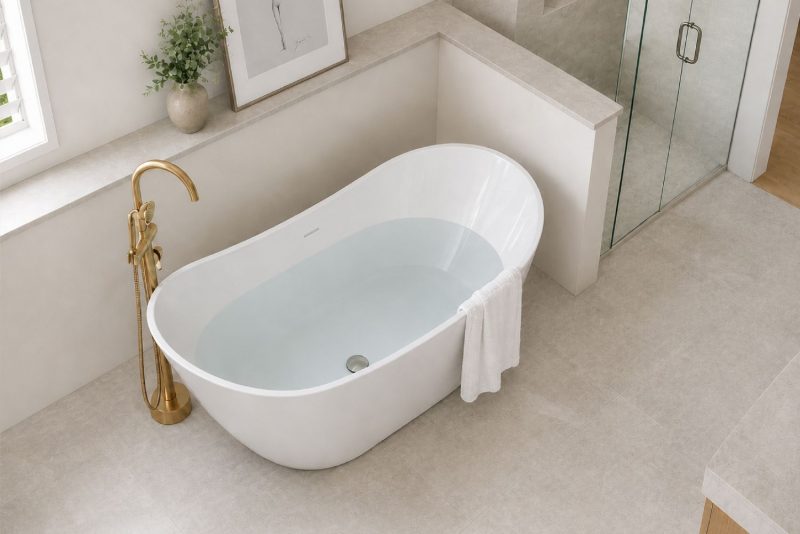
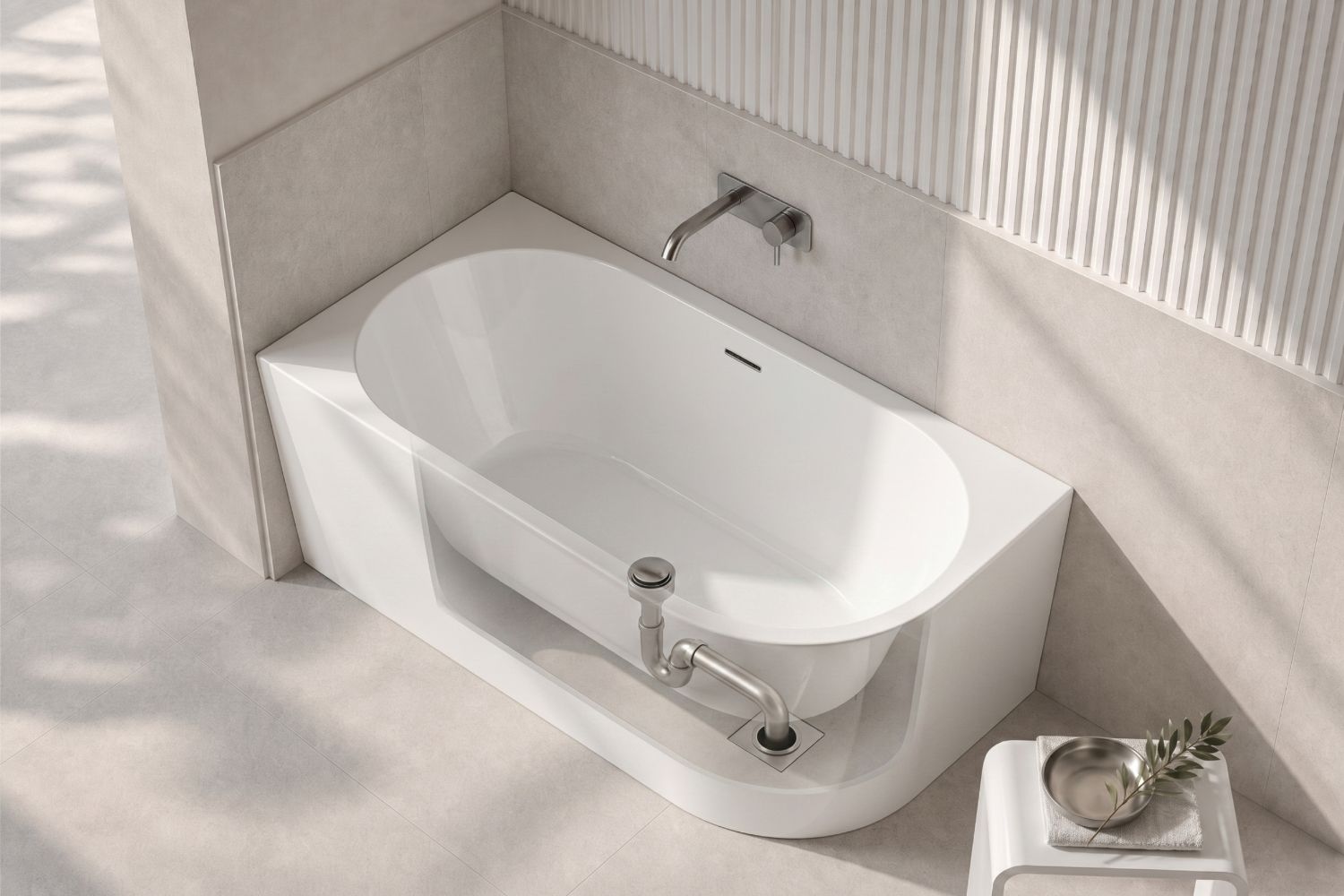
Conversely, free standing bathtubs are often positioned as a central design feature, with the underside of the tub sometimes partially visible. This requires a much more refined approach to drainage. Because freestanding tubs sit directly on the floor or on small feet, the connection between the bath waste and the floor drain must be precise and often necessitates specialised “pop-down” or flexible connectors to bridge the gap between the tub and the plumbing beneath the floor.
Selecting Drains for a Tub Drop In
When installing a tub drop in, the drainage system is integrated into the surrounding structure. Because the drop bathtub is fixed into place, the waste fitting must be exceptionally durable to avoid the need for invasive repairs later.
- Fixed Waste Fittings: These are the standard for built-in tubs, providing a reliable connection to the main sewer line.
- Plug and Waste Styles: Modern renovations often favour “pop-up” or “click-clack” wastes, which eliminate the need for a separate rubber plug and chain, offering a cleaner look.
- Overflow Integration: Many built-in tubs feature an integrated overflow hole. It is vital to ensure your bath drains and plugs are compatible with an overflow system to prevent accidental bathroom flooding.
Choosing Drainage for Free Standing Bathtubs
The elegance of a free-standing bathtub comes with specific plumbing challenges. Because the tub is a standalone unit, the drainage connection is often the most difficult part of the installation process.
- Low-Profile Wastes: Because some freestanding tubs sit very close to the floor, low-profile drainage fittings are often required to ensure the tub sits level.
- Flexible Connectors: In many Australian renovations, the floor waste doesn’t line up perfectly with the tub’s outlet. Flexible bungs and connectors allow for a secure seal even when alignment is slightly off.
- Designer Finishes: Since parts of the waste may be visible, choosing a finish that matches your tapware—such as matte black, brushed gold, or classic chrome—is essential for a cohesive aesthetic.

Critical Considerations: Sizing and Materials
Not all bath drains and plugs are created equal. Sizing is perhaps the most common area where mistakes occur during a renovation. Most Australian bathtubs require a 40mm waste fitting, but it is essential to verify this against the manufacturer’s specifications for your specific tub.
Furthermore, the material of the waste fitting impacts its longevity. Brass is the gold standard for bath wastes due to its superior resistance to corrosion and high temperatures. While plastic alternatives exist, they are more prone to cracking and leaking over time, especially in the high-heat environment of a hot bath. Investing in high-quality materials from a trusted supplier like MyHomeware ensures that your drainage system remains watertight and functional for the life of your bathtub.
Compatibility and Installation: Avoiding Common Mistakes
A frequent pitfall in bathroom renovations is the discovery that the chosen bath waste is incompatible with the bathtub’s design. This often occurs when a homeowner selects a waste fitting without considering the thickness of the bathtub material or the position of the waste outlet.
- Mismatched Fittings: Ensure the waste is designed for the specific material of your tub, whether it is acrylic, stone composite, or enamelled steel.
- Ignoring Maintenance Access: For built-in tubs, always ensure there is a way to access the plumbing if a leak occurs, such as a removable tile or an access hatch.
- Overlooking the Floor Waste: The position of the waste in your bathroom floor will dictate how your bathtub can be positioned. For free standing bathtubs, this alignment is particularly critical.

Why MyHomeware is Your Trusted Bath Supply Expert
MyHomeware is a leading Australian supplier dedicated to providing quality bathroom fixtures that combine style with technical excellence. We understand that a bathtub is more than just a fixture; it is a central part of your home’s infrastructure. Our curated collections of bath drains and plugs, built-in tubs, and freestanding bathtubs are designed to work in perfect harmony, reducing installation headaches and ensuring long-term performance.
As a trusted bath supply store, we go beyond simply retailing products. We provide homeowners and renovators with the practical guidance needed to navigate the complexities of bathroom plumbing. Our products reflect real-world installation considerations, helping you choose compatible components with absolute confidence. Whether you are looking for a sleek pop-up waste for a modern tub drop in or a specialised connector for a luxury free standing bathtub, MyHomeware offers the professional solutions required for a successful Australian renovation.
Practical Tips for Choosing the Right Bath Waste
To ensure your bathroom project stays on track, keep these professional tips in mind:
- Confirm Your Tub Type: Always decide on your bathtub style (drop bathtub vs freestanding) before purchasing your drainage components.
- Match Your Finishes: Ensure the finish of your bath plug matches your bath spout and other bathroom hardware for a professional, integrated look.
- Measure Twice: Verify the diameter of the waste hole in your bathtub and the depth required for the fitting to sit flush.
- Consult Your Plumber: Before making a final purchase, show the technical specifications of the tub and the waste to your plumber to confirm they are compatible with your home’s existing pipes.
Transform Your Bathing Experience Today
A beautiful bathtub deserves a drainage system that is equally well-engineered. By selecting the right bath drains and plugs, you protect your home from water damage while enhancing the functionality and style of your bathroom. Whether you are creating a compact family bathroom with a tub drop in or a grand master suite with a free-standing bathtub, the right drainage is the foundation of a successful project.
Explore the full range of premium solutions at MyHomeware to find the perfect fit for your next renovation.


