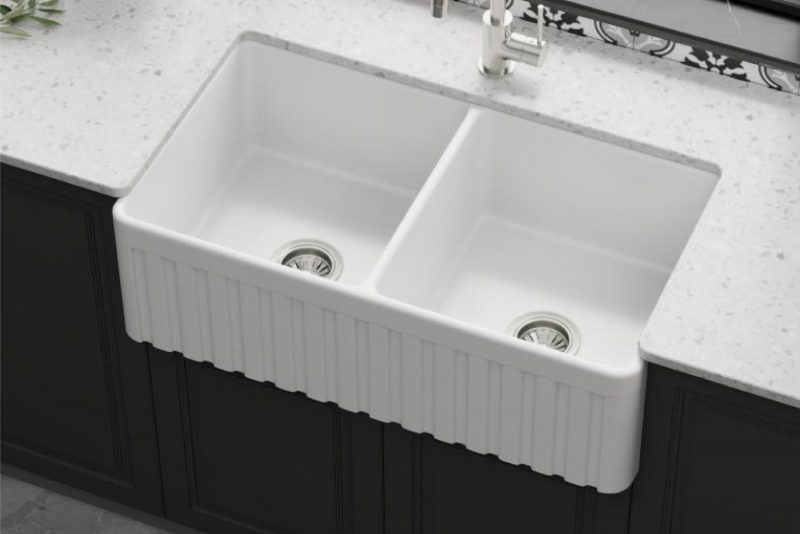
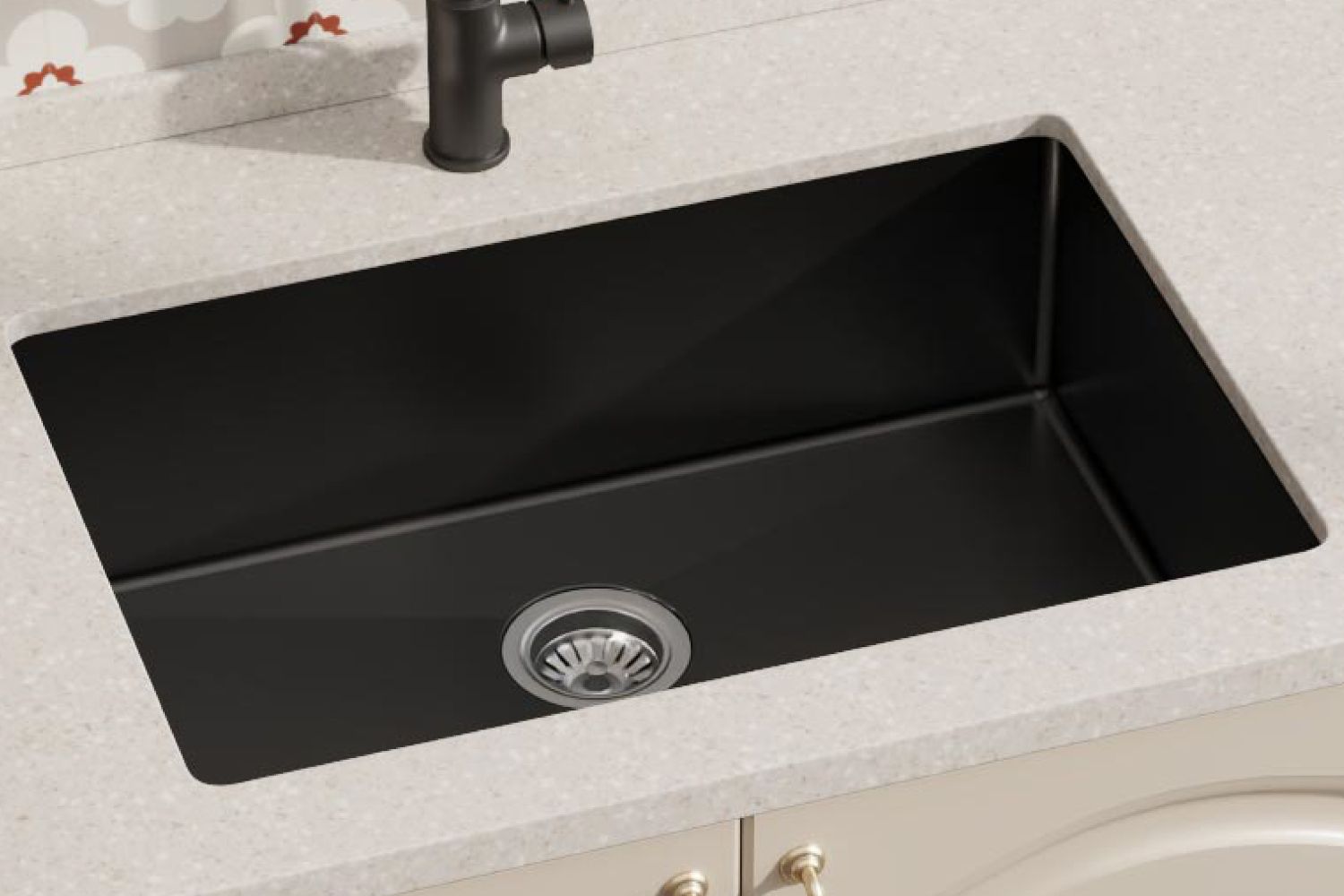
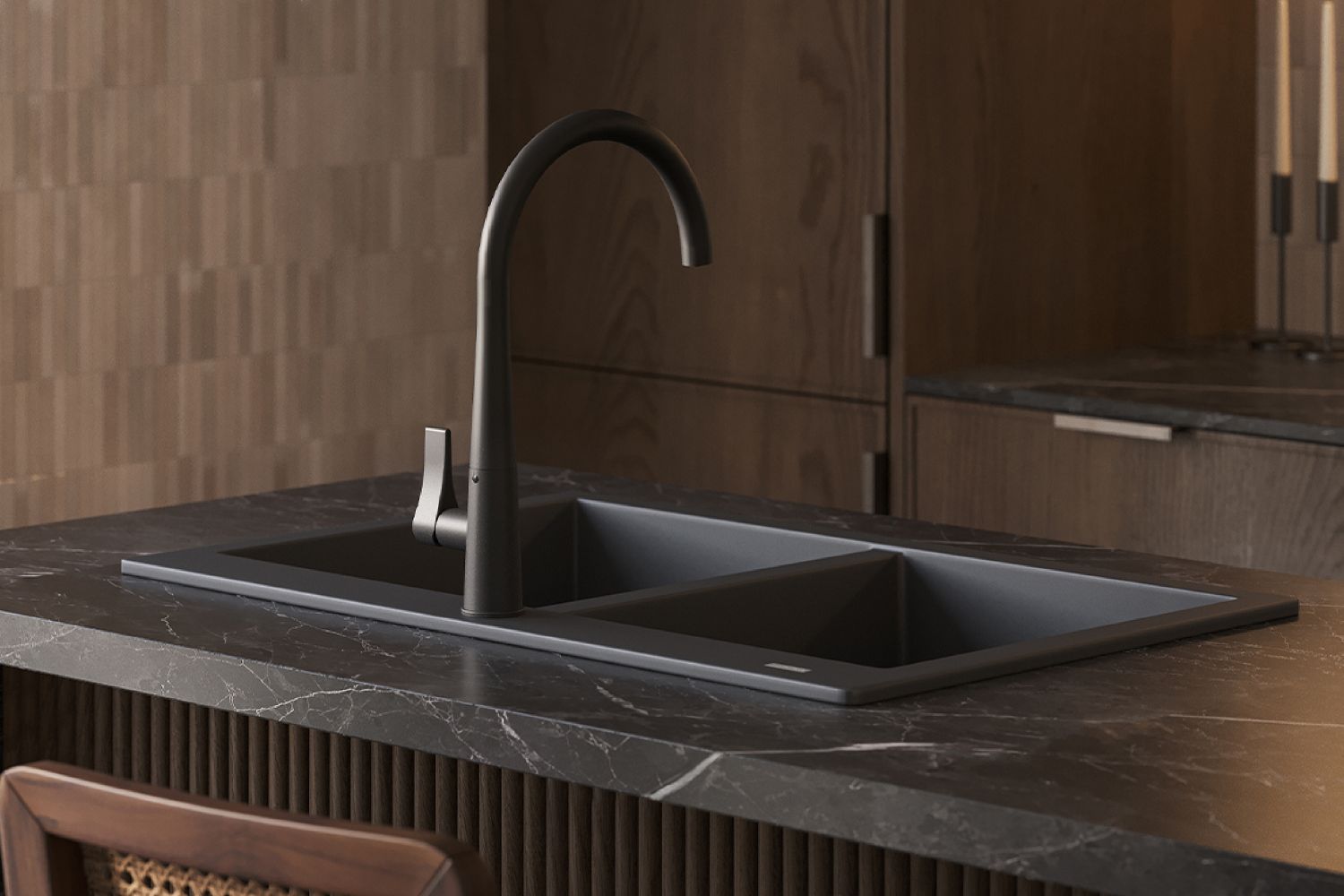
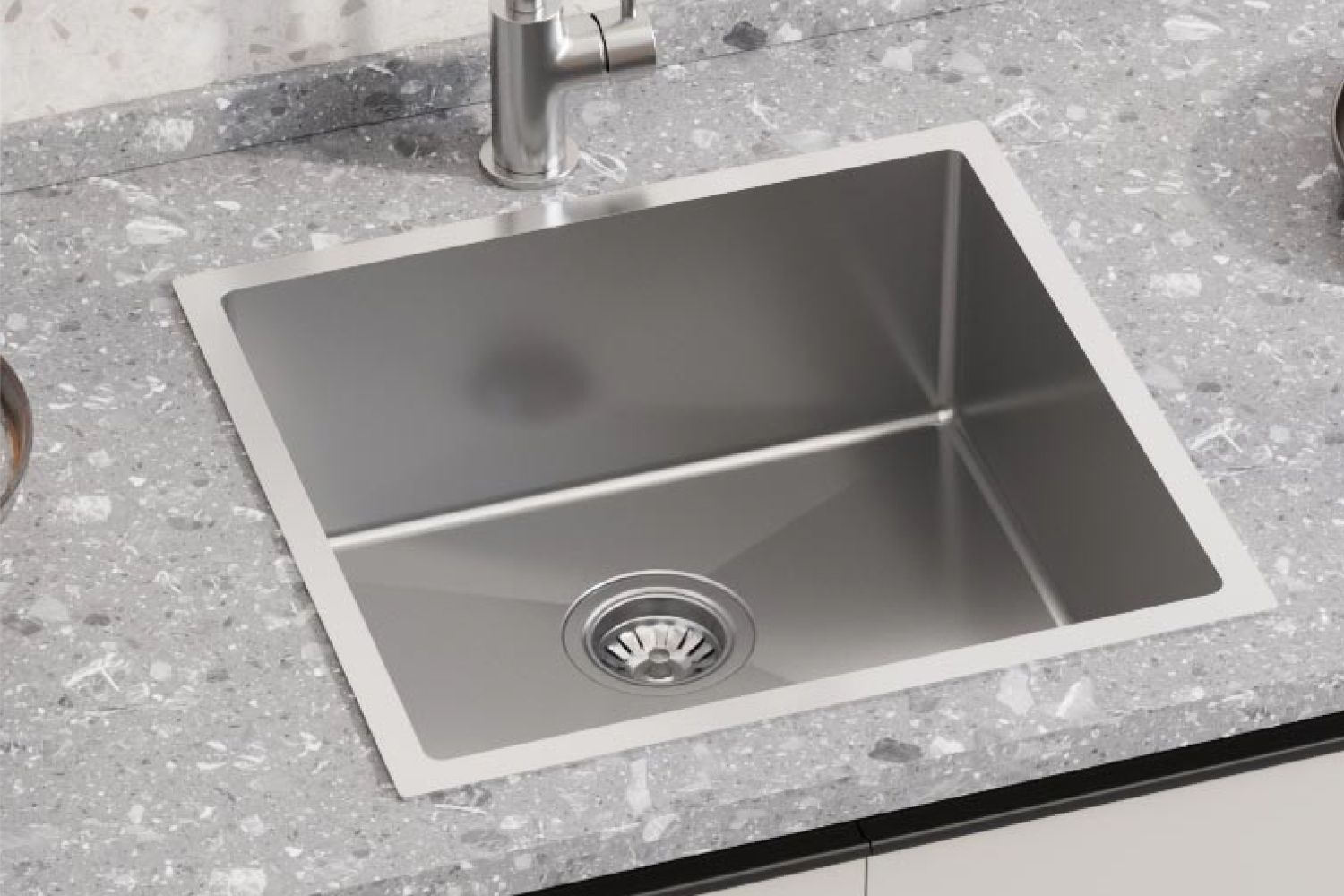
When planning a new kitchen or replacing your sink, the choice of material—such as stainless steel or granite—is only half the equation. The installation style you select—Top Mount, Undermount, or Flush Mount—is equally vital, as it determines the look, the ease of cleaning, and the overall longevity of your kitchen benchtops. This decision affects the entire workflow and final aesthetic of the room, requiring a balance of design goals, budget, and practicality.
At MyHomeware, we understand the technical and aesthetic impact of these choices. As a trusted bath supply store, we guide homeowners through a clear and practical comparison of these installation methods. Our expertise ensures you select a style that not only looks fantastic but is perfectly suited to your benchtop material, budget, and long-term kitchen performance.
Understanding the Three Core Sink Installation Methods
Each method involves a distinct way the sink interacts with the benchtop, creating unique functional and visual results.
1. Top Mount Kitchen Sinks (Drop-in)
Top Mount Kitchen Sinks (also known as ‘Drop-in’ sinks) are the most traditional and simplest installation style, popular for their ease of installation and budget-friendly nature.

- How It Works: A Top Mount kitchen sink is lowered into a cut-out in the benchtop, with a visible rim or lip resting on the surface. This rim supports the sink’s weight and seals the edge, preventing water from seeping into the cabinetry below.
- Aesthetic and Design: This style offers a classic, practical appearance. While it doesn’t offer the seamless flow of other options, the rim can provide a contrasting accent depending on the material and finish of the sink.
- Functional Benefits and Maintenance: Top Mount sinks are extremely practical. The installation is straightforward, often requiring less specialised labour than other types. However, crumbs and debris can sometimes collect beneath the rim where the sink meets the benchtop, making the cleanup slightly more involved than with an Undermount sink.
2. Undermount Kitchen Sinks
Undermount Kitchen Sinks are highly popular in modern Australian design for their sleek, uninterrupted look and superior cleaning ease.

- How It Works: An Undermount kitchen sink is secured beneath the benchtop using heavy-duty clips and adhesives. The benchtop material extends over the sink’s edges, leaving no rim exposed on the surface. This installation is only suitable for waterproof, solid benchtop materials like granite, engineered stone, or marble.
- Aesthetic and Design: The result is a clean, minimalist, and highly streamlined look. This flush design highlights the beauty and material of the benchtop, creating a premium feel.
- Functional Benefits and Maintenance: Undermount sinks are championed for their hygienic cleaning ease. You can effortlessly sweep food scraps, crumbs, and liquids directly from the benchtop into the sink without catching on a rim, streamlining your kitchen workflow. The installation, however, is more complex, requiring precise cutting and professional support to ensure long-term stability and waterproofing.
3. Flush Mount Kitchen Sinks (Integrated)
Flush Mount kitchen sinks, sometimes referred to as integrated sinks, offer the most seamless and custom look, blending the sink surface completely with the benchtop.

- How It Works: The sink is installed so its rim is perfectly level, or “flush,” with the benchtop material. This requires meticulous fitting and sealing. In some high-end installations, the sink and benchtop are made from the same material (like stainless steel or a solid-surface composite) and welded together to create a truly seamless unit.
- Aesthetic and Design: This method provides an ultra-modern, integrated appearance, giving the illusion that the sink is a natural extension of the benchtop. It’s the ultimate choice for minimalist and high-end contemporary kitchen designs.
- Functional Benefits and Maintenance: Like Undermount, the lack of an exposed lip means excellent cleaning ease, as no debris can catch on an edge. While the aesthetic is unmatched, the installation is the most difficult and typically the most expensive, requiring expert craftsmanship and precise measurements for a perfect seal and fit.
Practical Project Advice and Comparison Table
Choosing the right installation style must be done in conjunction with selecting your benchtop material and calculating your renovation budget.
Benchtop Compatibility and Material Constraints
The type of benchtop you have is the primary deciding factor for installation:
- Top Mount: This style is compatible with almost all benchtop materials, including laminate, timber, and solid stone. Because the rim seals the edge of the cut-out, it protects absorbent materials like laminate or timber from water damage.
- Undermount and Flush Mount: These styles can only be used with non-porous, waterproof, and structurally solid materials such as engineered stone (Quartz/Caesarstone), granite, marble, or concrete. They are not suitable for laminate or timber benchtops, as these materials would be exposed to water damage at the cut edge.
Long-Term Cleaning and Maintenance
| Installation Style | Primary Cleaning Challenge | Sealing/Waterproofing | Renovation Budget Impact |
|---|---|---|---|
| Top Mount | Debris can collect around the outer rim/seal. | Excellent, protects benchtop edges. | Low (Easiest to install). |
| Undermount | Grout/sealant line beneath the benchtop needs occasional cleaning. | High, dependent on professional sealing quality. | Medium (Requires professional installation). |
| Flush Mount | Maintaining the seamless seal between the sink and benchtop. | Highest, requires specialised welding or precise fitting. | High (Most complex and labour-intensive). |
Project-Driven Tips for Renovators
When planning your kitchen, consider these expert tips that readers can apply directly:
- Budget vs. Aesthetic: If budget is a constraint, a Top Mount sink in a high-quality material (like 16-gauge stainless steel) offers excellent durability without the high labour cost of Undermount or Flush Mount installation.
- Workflow: If you are an avid cook and want the absolute easiest cleanup, the Undermount style is ideal as it allows for swift wiping of crumbs directly into the bowl, improving kitchen workflow.
- Benchtop Thickness: For Undermount sinks, consider how the sink will look against your benchtop thickness. A thinner benchtop (20mm) or a very thick one (40mm+) can dramatically change the visual impact of the installation.
Choosing MyHomeware: Your Trusted Sink Partner
Understanding sink installation types is a key part of our expertise. At MyHomeware, we position ourselves as a knowledgeable source for premium sink materials and styles, ensuring you select a product that enhances the look and feel of your kitchen while meeting daily demands.
Our comprehensive range of sink solutions is curated to match the expert advice provided. Whether you require a practical, easy-to-install Top Mount sink for a rental property, a sophisticated Undermount sink for a family home, or a seamless Flush Mount option for a designer kitchen, we offer quality options suited to different budgets and kitchen layouts. This reinforces our commitment to supporting customers through every stage of their renovation, providing solutions across kitchen fixtures and our core offering as a trusted Australian supplier of quality bathroom fixtures with an extensive range of modern, space-saving toilets.
Ready to select the perfect installation style for your kitchen project?
- Explore our full range and find inspiration: Visit our website at MyHomeware.com.au.
- Contact us for expert product advice: Reach out to our knowledgeable team for assistance in applying these insights to your practical choices.


