When it comes to your front garden, first impressions count
Words: Karen Booth
It should go without saying that a front garden’s design must complement your home’s architectural style, provide for your practical needs, and make a good first impression. To achieve this, you need to:
Make it functional
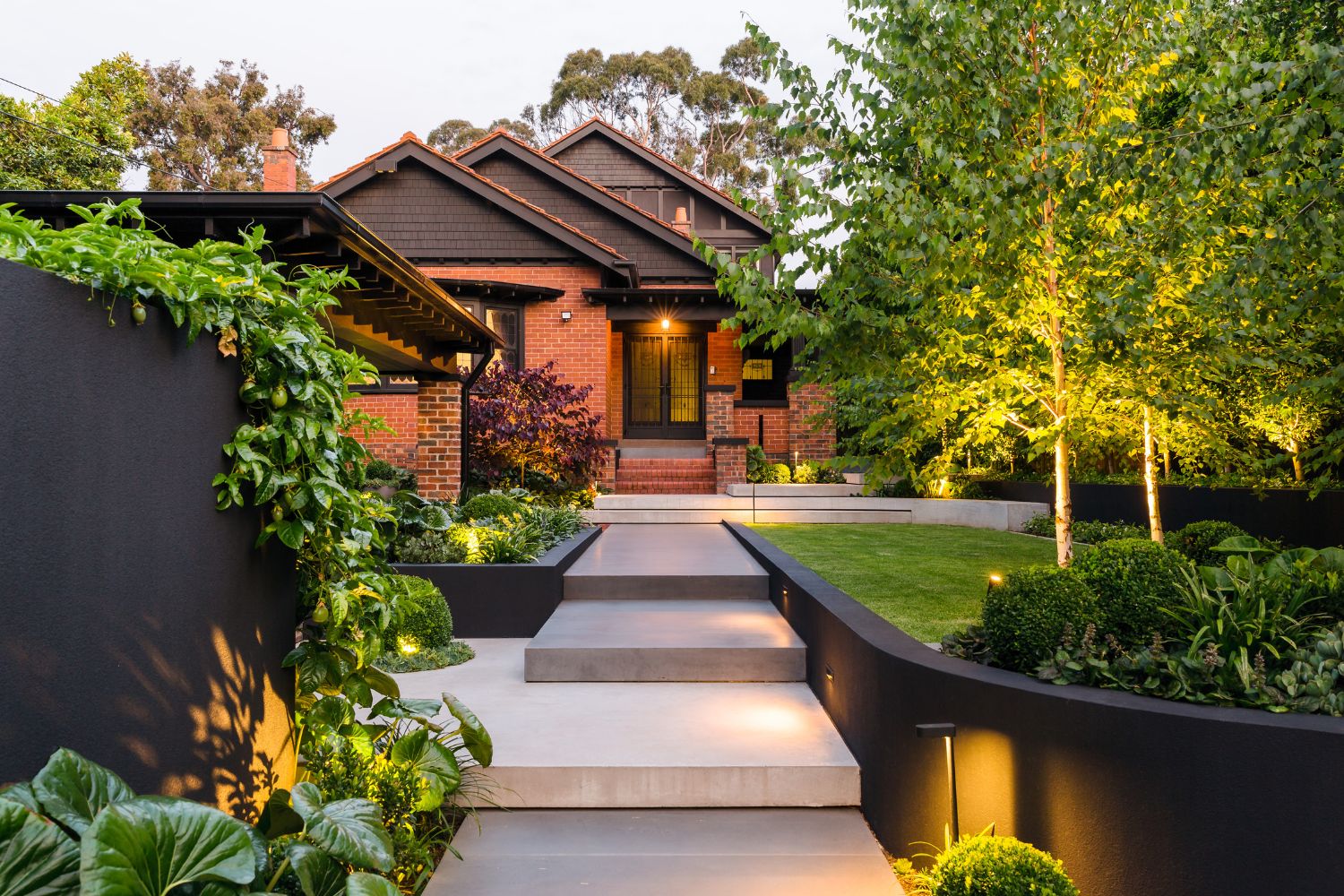
Functionality is paramount. You want garden paths and entry steps that take you safely to the front door, whether from the driveway or garden gate. This means no overhanging foliage from trees, no awkward turns, and level paths and steps that are wide enough for two people.

Keep it neat
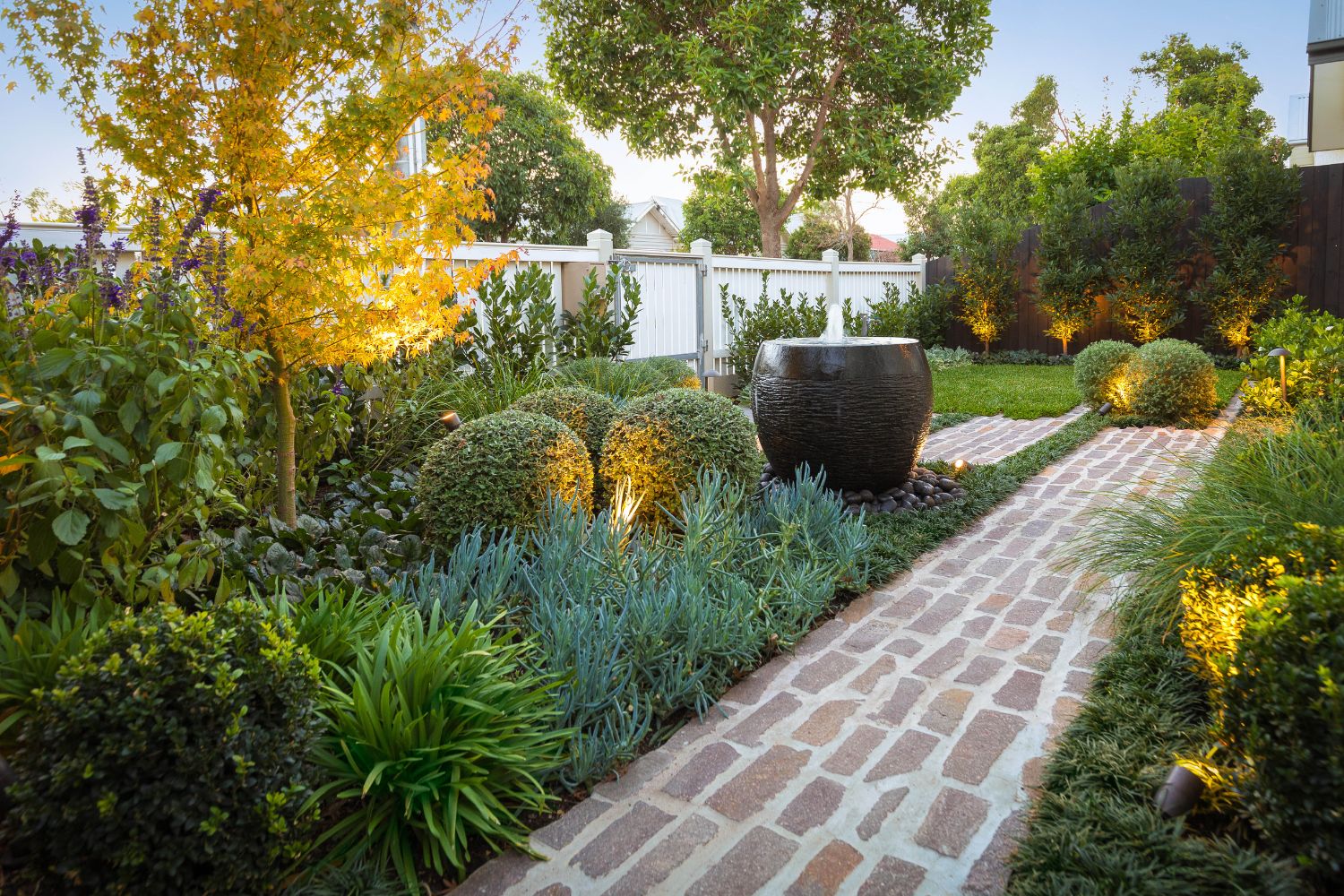
Most front gardens are permanently on show so you might want to make it as easy to maintain as possible as an overgrown garden quickly becomes a neighbourhood eyesore. But if you like to garden, you can use manicured plants, perhaps clipped into spheres, for visual interest and contrast.
Light your way
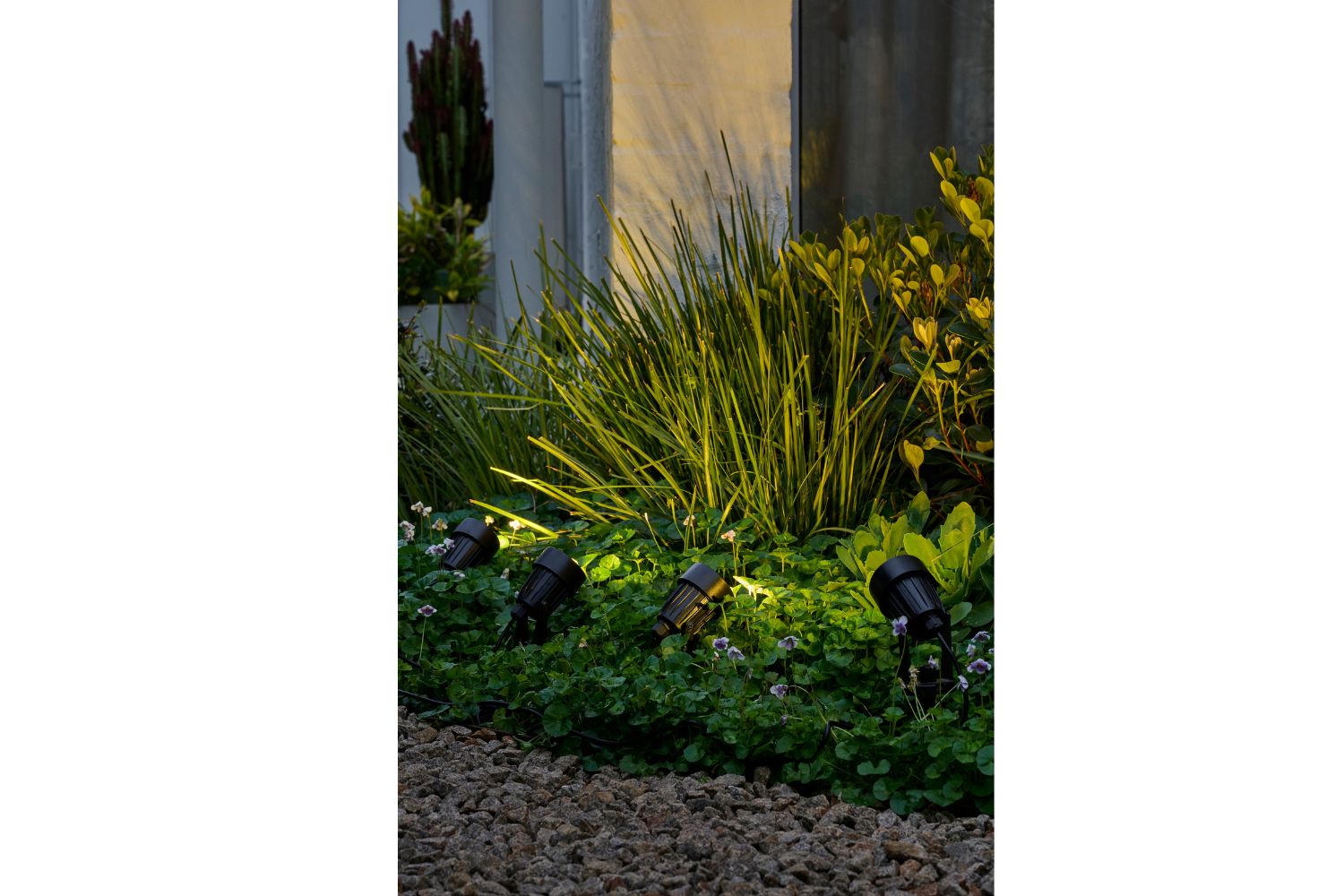
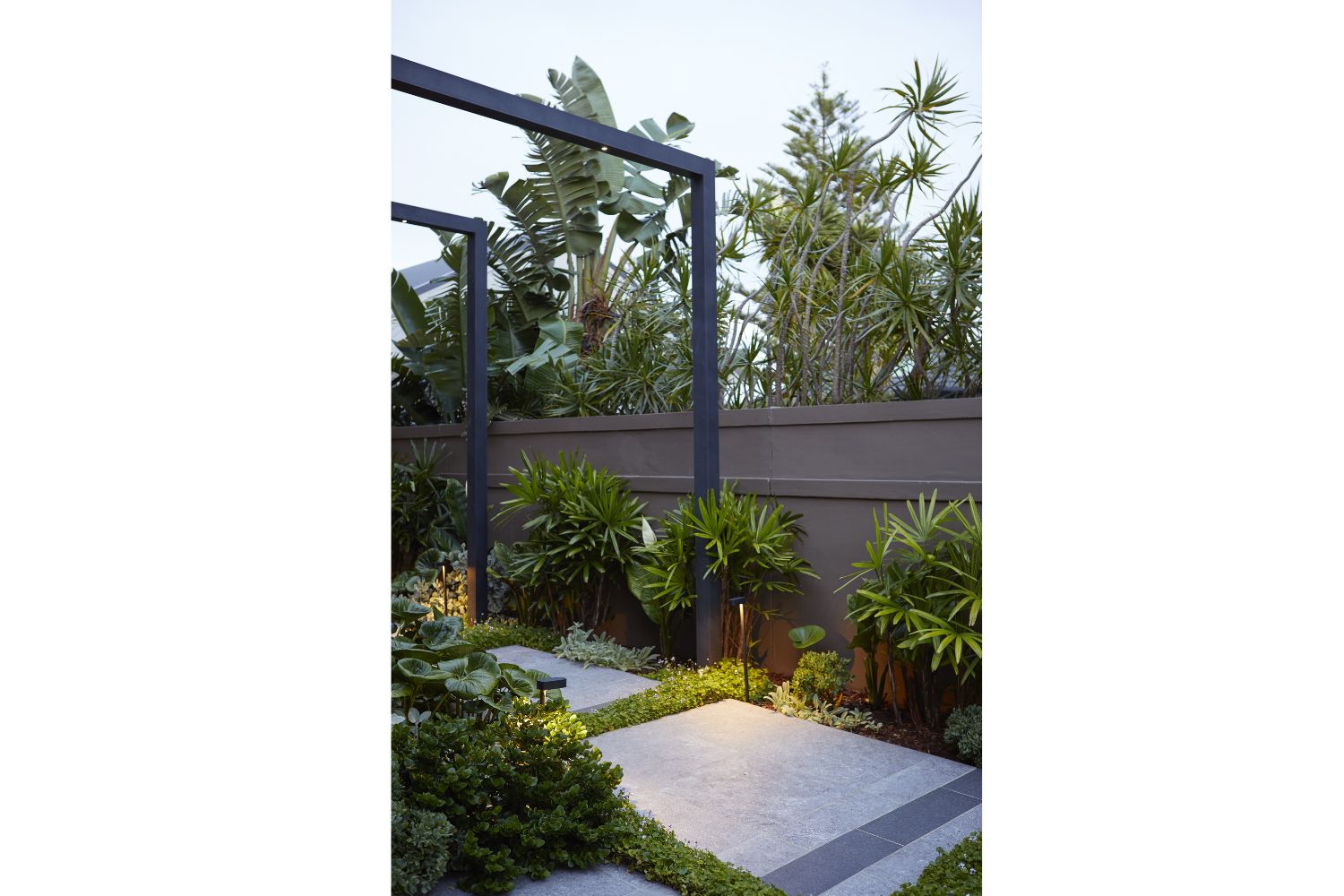
Outdoor lighting provides security, and it allows garden paths and steps to be safely negotiated. One option is bollard path lighting that can be sensor-activated for convenience. Mood lighting, such as uplighting to trees or feature planting, can enhance the look of the house and garden.

Add some privacy
Privacy is a priority for many, and it can be achieved in various ways, from screening plants to high walls. Solid walls are often a popular choice in urban areas where a walled entry courtyard can provide security and a private space for entertaining.
Define your borders
If all you want to do is clearly define your boundaries, then opt for simple, easy-care garden beds or low hedges. For the latter, choose a hardy hedging plant with a compact growth habit. For garden beds, strappy, drought-tolerant plants are ideal.

Include a focal point
A focal point is an asset, but don’t cram your garden with decorative pieces. Rather than have a mass of distracting elements, a single water feature or sculpture, maybe a pair of urns, will make more impact and draw the eye to where you want it to go.