Your garden sanctuary begins with finding the right spa for you. Hot tubs, spas, pools and baths are built for different reasons to benefit your lifestyle, spaces and relaxation methods.
Stoked Stainless has formulated a guide to help you find the perfect relaxation outlet for your space, breaking down the core differences and explaining how to discover your perfect wellness tub based on your tranquillity. Whether that is slow evenings under the stars, recovery, or a place to unwind and enjoy a drink after a busy day.
What’s the Difference Between a Hot Tub, Spa, Pool, and Outdoor Bath?
All offer the opportunity to invest in yourself and a lifetime of relaxation and wellness. But their purpose and ownership experience differ.
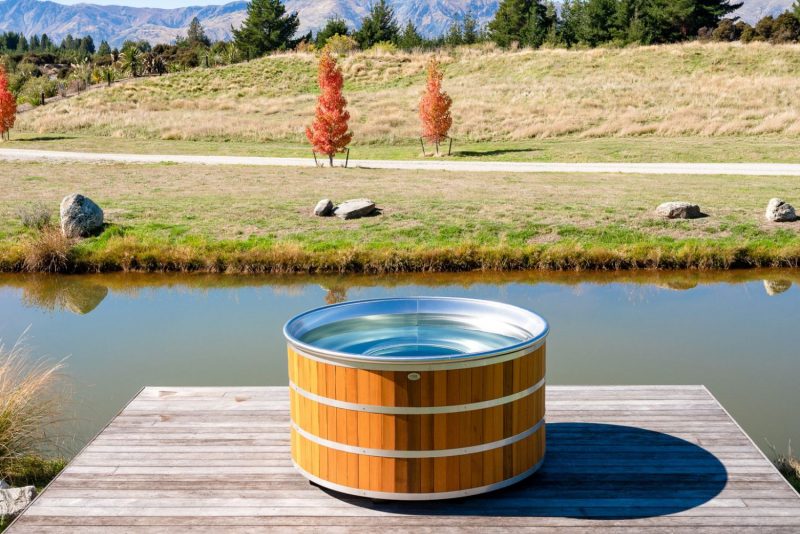
Hot Tub: A hot tub is designed primarily for soaking, relaxation, and ambience. The benchmark for indulgence, hot tubs are the perfect place for the full family to relax, or just yourself.
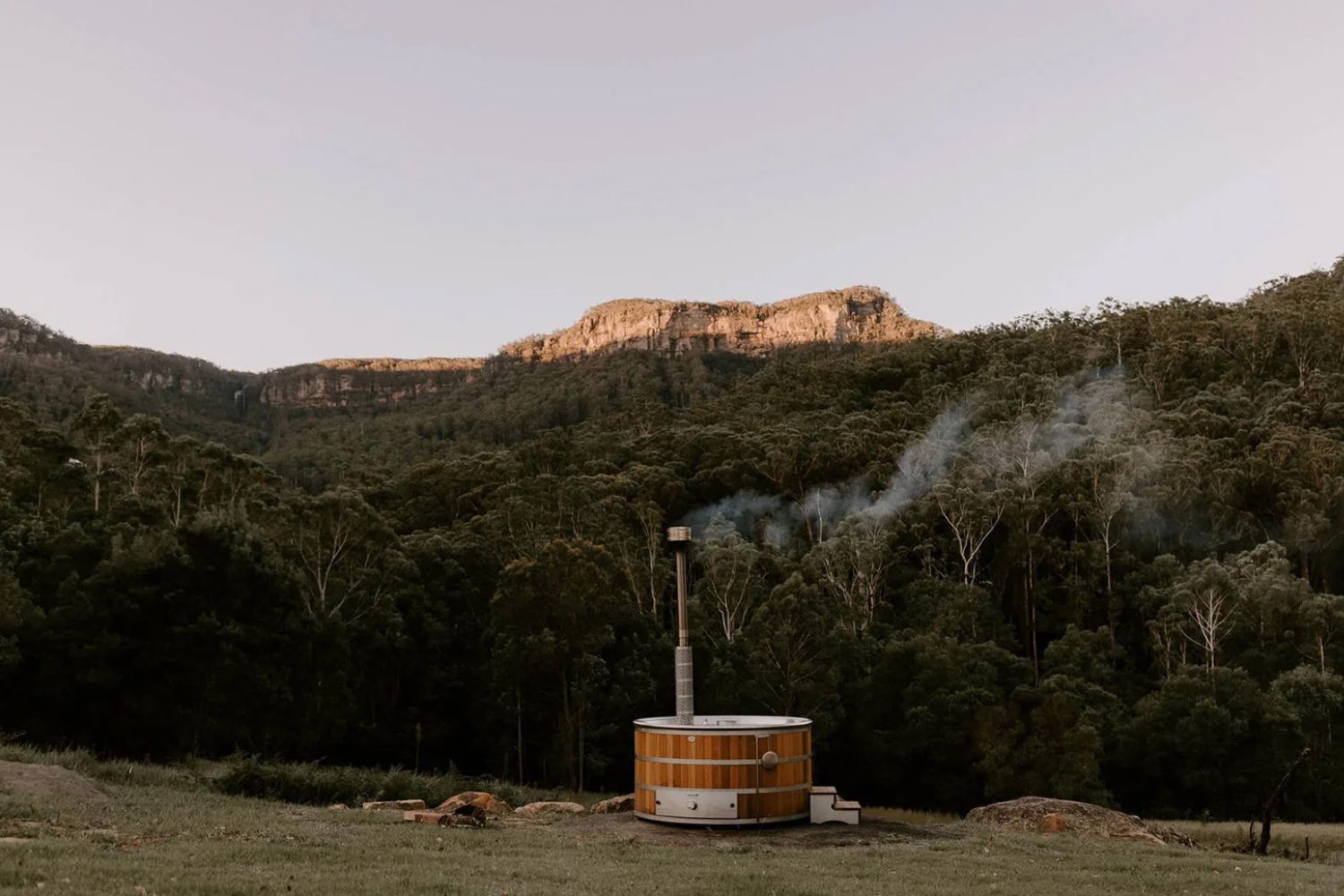
 Traditional hot tubs are often deep and circular, promoting stillness rather than movement. Many modern hot tubs (especially wood-fired or hybrid models) strip things back to essentials – water, heat, and time to slow down.
Best for: relaxation, romance, off-grid homes, those special places, and people who value simplicity.
Spas: Crafted to transform any space into a personal retreat. Spas are a little more intricate with different technical features working together to deliver the ultimate relaxation experience at the push of a button. Spas suit people who want convenience, year-round comfort and simplicity.
All of our spas can be controlled remotely via an app on your phone, no matter where you are, making it easy to use.
Best for: families, daily use, urban homes with reliable power and wellness centres.
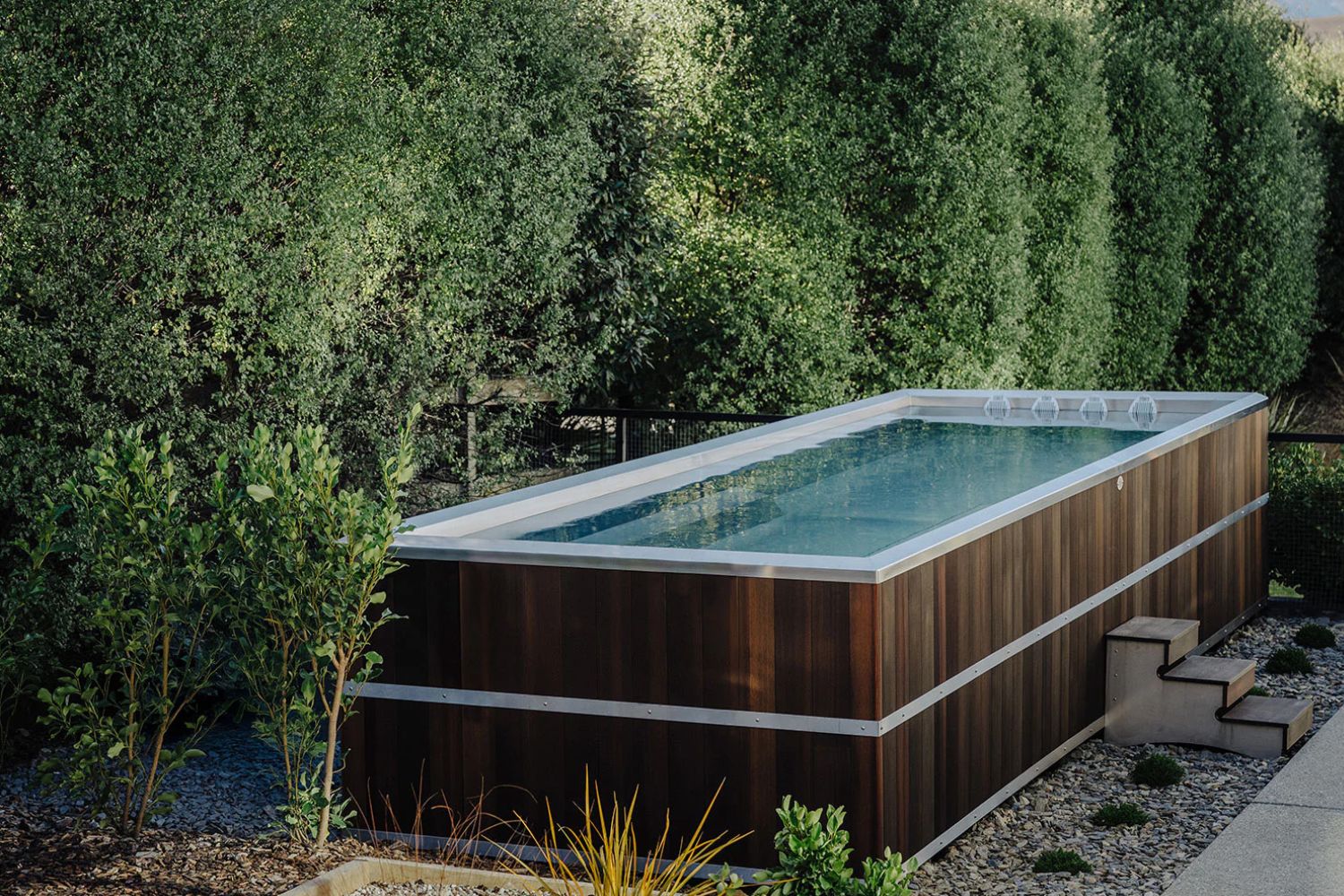
Pools: The perfect addition to any outdoor space. With a reverse-cycle heat pump, you can heat or cool to your liking while remaining energy efficient. You can enjoy the experience to your preference.

Typically, larger than other options, they offer a perfect setting for solo relaxation or shared experiences with friends and family. They can maximise a small wellness area or serve as the centrepiece of your outdoor environment.
Best for: entertaining, recovery and cooling off.
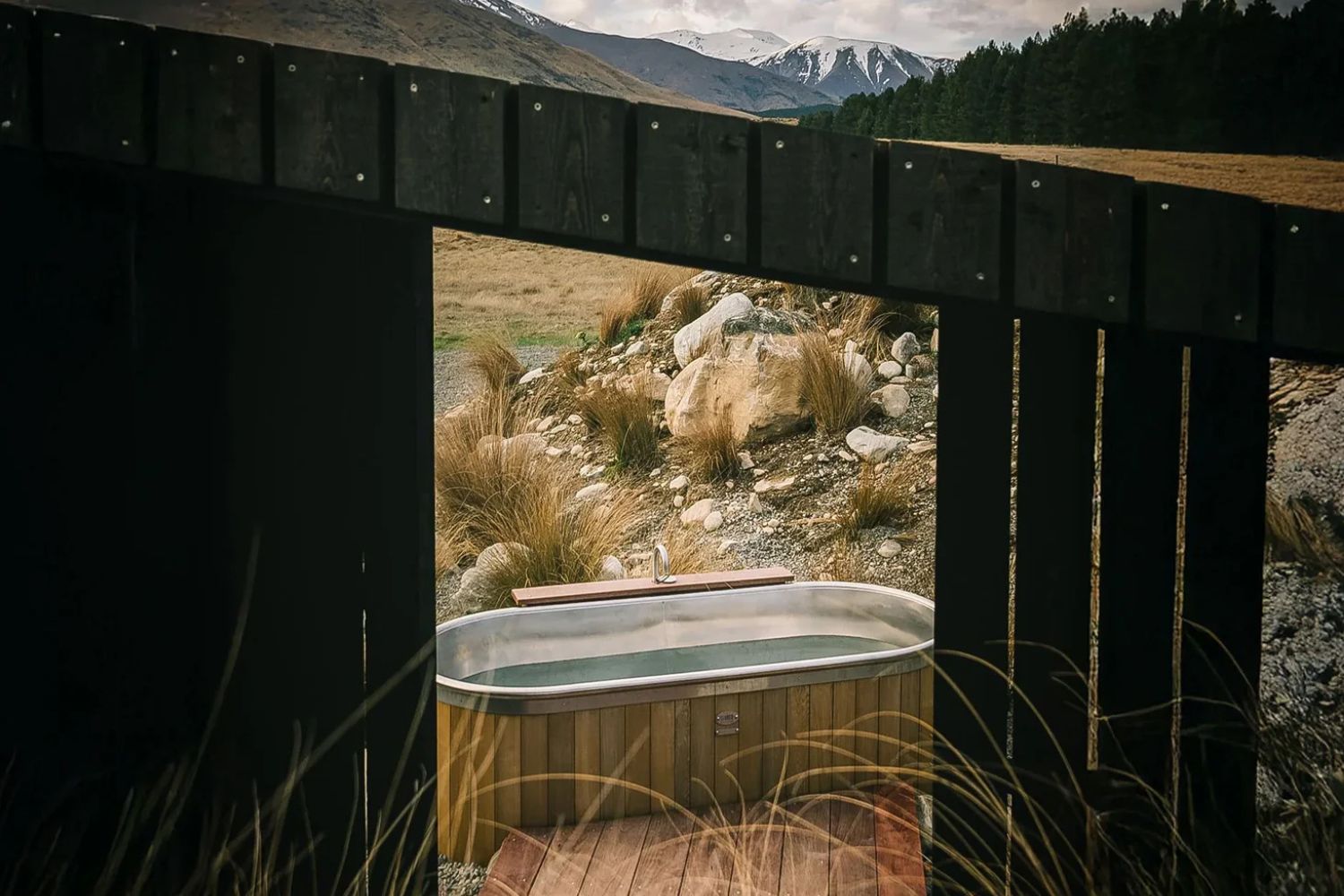
Outdoor Bath: An outdoor bath is the epitome of elegance in any outdoor setting. They are personal, intimate and built to make relaxation a ritual in a minimalist setup.

Allow yourself to immerse and lie down, or sit and enjoy drinks with your special people. Outdoor baths are the perfect way for you to unwind and find the peace you need.
Best for: solo use, slow living, and minimalist outdoor setups.
Which Is Better for Year-Round Use: Spa, Pool, Hot Tub or Outdoor Bath?
For most households, controlling temperature and flexibility are key for year-round use. This all depends on your energy sources. Electric plunge pools and some outdoor baths with reverse-cycle heating are the most versatile options. They can warm up in winter for soaking and cool down in summer for refreshing dips or cold therapy. This makes them perfect for climates with both hot summers and cold winters.
Spas and hot tubs focus on warmth. They keep a steady temperature and are reliable for year-round use. However, they can only cool the water to ambient temperature.
If you want flexibility for all seasons, warm in winter and cool in summer, choose a plunge pool or outdoor baths. If you prefer consistent warmth and relaxation, spas and hot tubs are good options.
Spa, Pool, Hot Tub or Outdoor Bath for Recovery & Wellness
Each recovery method has a unique role. Heat therapy helps you relax, improves blood flow, and releases tight muscles. Cold therapy reduces swelling, boosts mental strength, and supports recovery after exercise. Many people combine both methods by alternating between hot and cold treatments to maximise benefits. Pools are ideal for active recovery. They provide space for swimming and stretching, making them great for training and rehabilitation. Spas use jets and heat to ease muscle tension, while hot tubs offer a soothing soak that helps you recover slowly and reset your nervous system. Outdoor baths create a quiet and distraction-free environment that supports both mental and physical recovery.
While athletes often prefer pools for training, most people like to start with heat therapy for comfort and relaxation. They may later add cold or contrast therapy. Recovery is about creating a space you enjoy using every day, not just about improving performance.
Simple Comparison Overview
Temperature range
- Hot Tub: Ambient temperature to hot
- Spa: Ambient temperature to hot
- Pool: Cold to hot (if heated)
- Outdoor Bath: Options for Ambient temperature, cold to hot (if heated)
Primary use
- Hot Tub: Relaxation
- Spa: Comfort and convenience
- Pool: Entertaining, recovery and cooling
- Outdoor Bath: Personal relaxation and ritual
Heating method
- Hot Tub: Wood-fired and electric
- Spa: Electric
- Pool: Electric
- Outdoor Bath: Wood-fired and electric
Typical size
- Hot Tub: Medium
- Spa: Medium to large
- Pool: Medium to Extra Large
- Outdoor Bath: Small (One to two person)
Running costs
- Hot Tub: Low (especially wood-fired)
- Spa: Low to moderate
- Pool: Low to moderate (higher if covers off and extreme temperatures)
- Outdoor Bath: Low
Best suited for
- Hot Tub: Lifestyle soaking
- Spa: Set-and-forget users
- Pool: Entertaining and recovery-focused users
- Outdoor bath: Minimalist bathers
Quick Recommendations by Use Case
- Best for off-grid homes: Wood-Fired Hot Tub or Wood-Fired Outdoor Baths
- Best for small decks: Compact Pool, Hot Tub or Outdoor Baths
- Best for families: Electric Spa or Pools
- Best for romance & ambience: Wood Fired Hot Tub
- Best for cold-water recovery: Pool or Ice Baths
There is no single “best” option, only the one that suits your lifestyle. Choosing between a Hot Tub, Spa, Pool, or Outdoor Bath isn’t about trends or specs. It’s about how you want to feel, how involved you want to be, and how your home actually works. Get that right, and the rest falls into place!
For more information


